Automate With Cognitive AI Instead of Modules

AI-Native Automation
- End-to-end business workflow automation
- Multi-agent orchestration
- Long-running autonomous tasks
- Context retention across steps
- AI reasoning with structured outputs

No Scenario Limits or Complex Execution Pricing
- Predictable pricing
- No arbitrary scenario execution caps
- No overage surprises
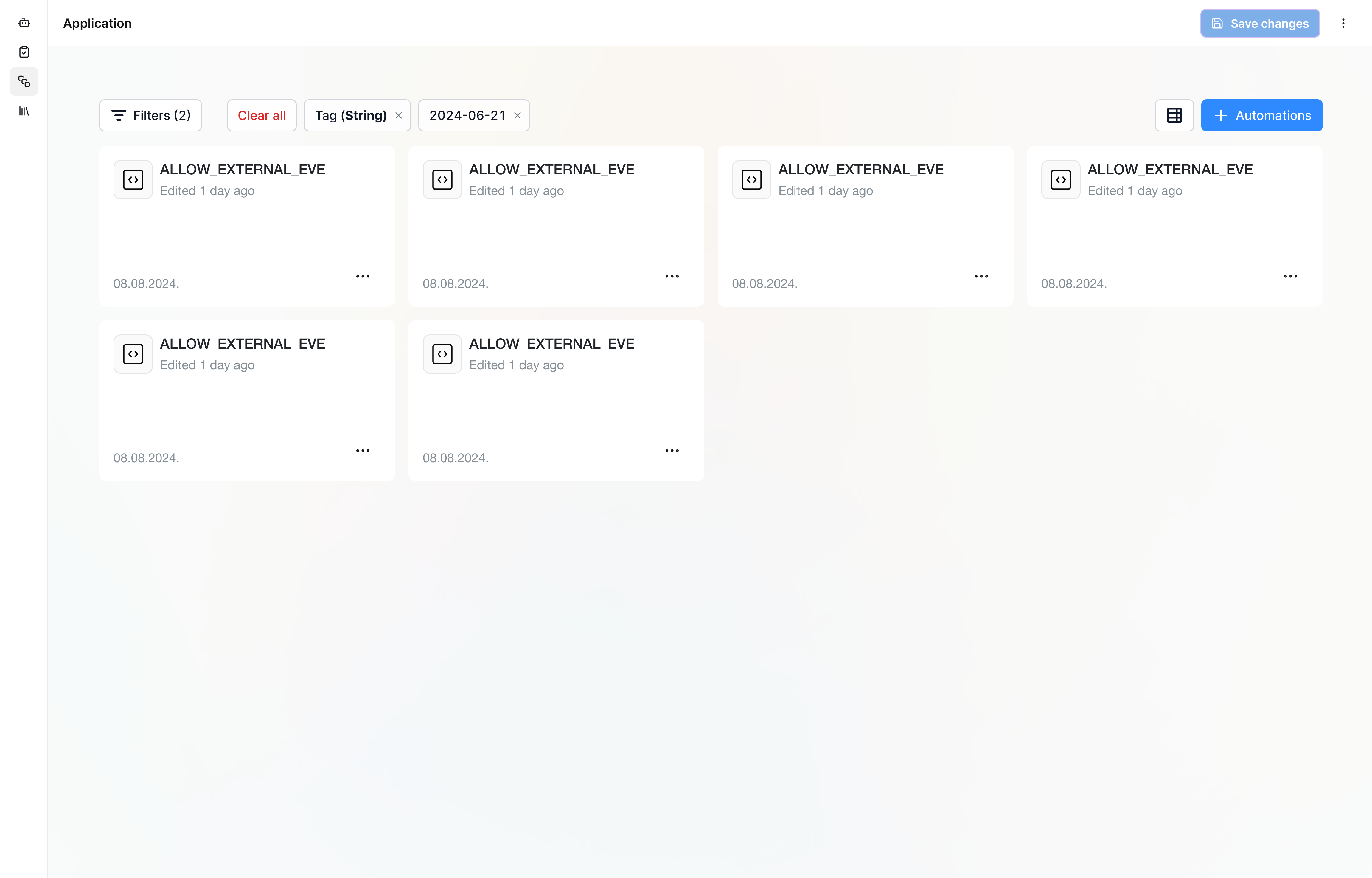
No Hosting or Maintenance Required
- Scenario throttling
- Capacity issues
- Module complexity

Simpler, Cleaner Workflow Builder
- easier to navigate
- AI-assisted to reduce node count
- built for both technical and non-technical users
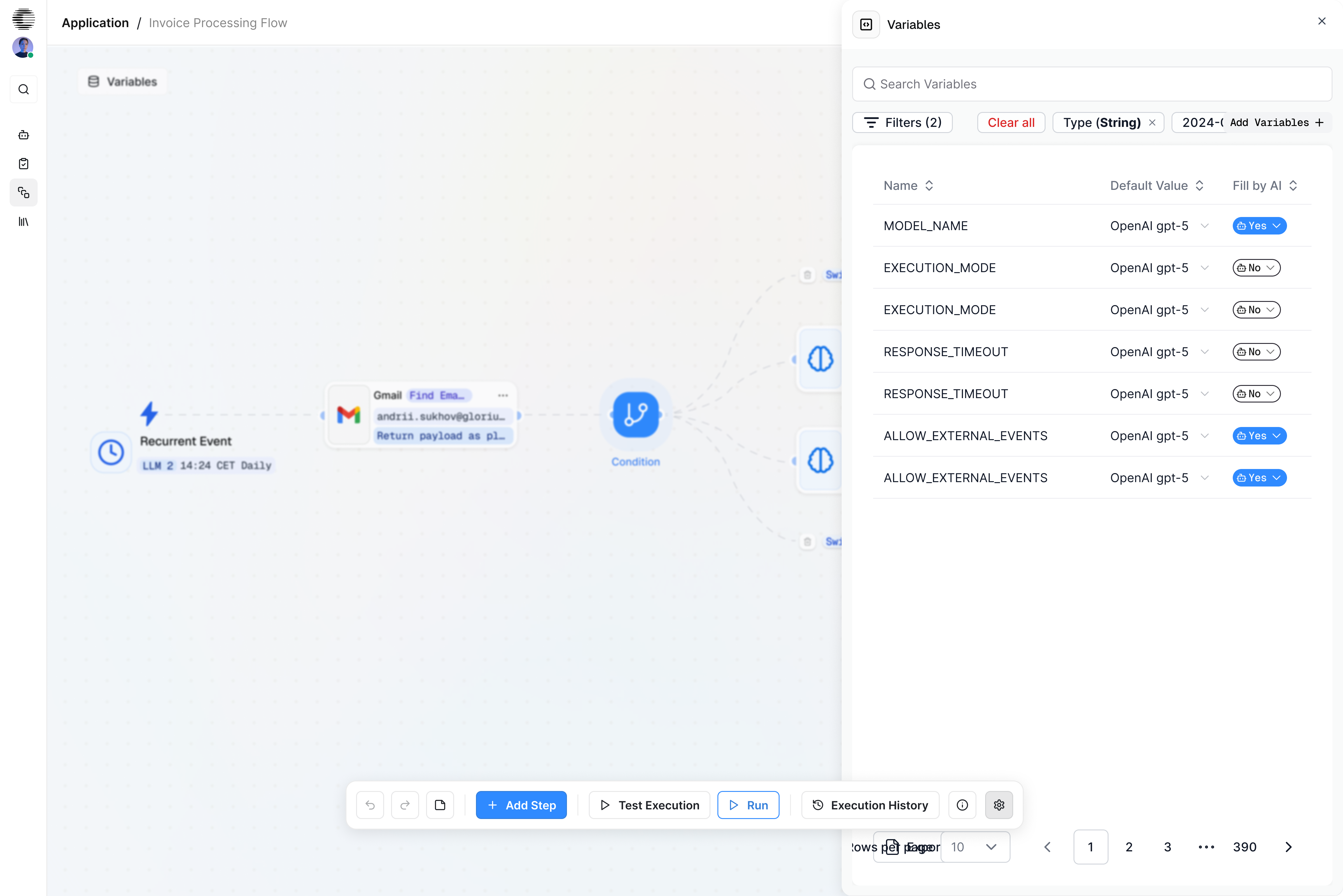
AI-Augmented Integrations
- Natural-language field mapping
- Smart API parameter suggestions
- Auto-generated workflow steps
- AI-powered error recovery
CogniAgent vs Make
Comparison Table
| Feature | CogniAgent | n8n |
|---|---|---|
| Hosting | Fully hosted (no limits) | Fully cloud-based with scenario limits |
| Workflows / Automations | Unlimited workflows & automations | Limited unless self-hosted |
| Al Capabilities | Native agent workflows, conversational AI, autonomous tasks | Basic AI/ChatGPT modules |
| Ease of Use | ||
| Workflow Builder | Modern, minimal, AI-assisted | Visual canvas that gets complex fast |
| Scalability | Auto-scaling, serverless | Limited by scenario capacity & plan |
| Integrations | 2700+ integrations & Almapping | Hundreds of apps, manual mapping |
| Error Handling | AI-powered debugging + automated recovery | Mostly manual troubleshooting |
| Pricing Model | Predictable, usage-flexible | Scenario-run + operation-based pricing |
| Best For | AI-first orgs, startups, operations teams | Users needing visual step-by-step logic |
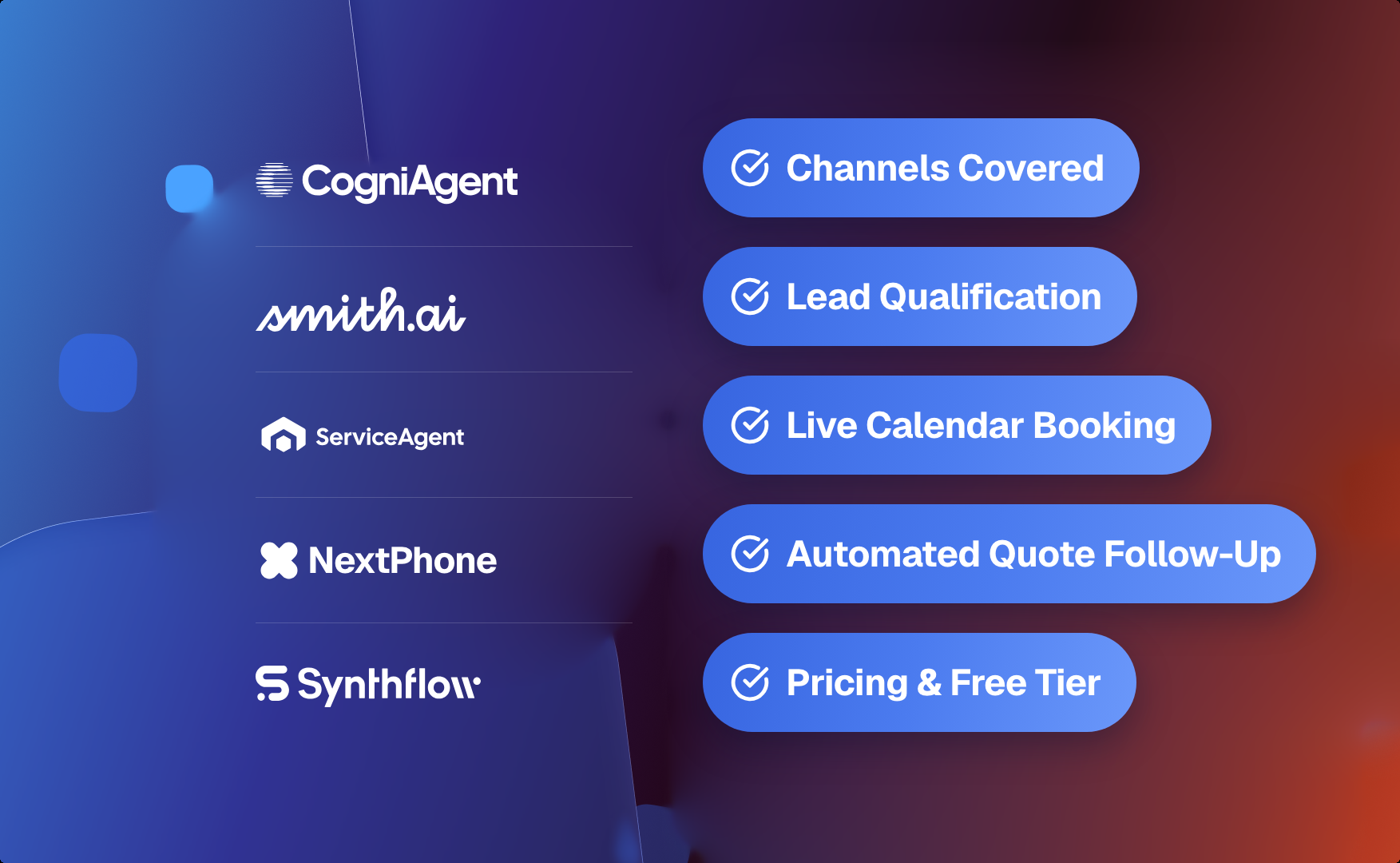

![Best AI Tools for Auto Repair Shops [2026 Guide]](https://cogniagent-preview-def77a0f.nyc3.digitaloceanspaces.com/media/2026/07/Best-AI-Tools-for-Auto-Repair-Shops-2026-Guide.png)

Frequently Asked Questions about
CogniAgent
Yes. While Make supports LLM modules, CogniAgent is purpose-built for AI-native automation and multi-agent reasoning. It handles complex logic, conversational flows, and adaptive decisions far beyond Make’s module capabilities.
Absolutely. CogniAgent doesn’t use scenario-run limits or per-operation billing. Your workflows scale automatically without hitting usage caps or paying unexpected overages.
Yes. While Make is powerful, its visual canvas becomes overwhelming as workflows grow. CogniAgent provides clean UI, guided building, and AI assistance that helps anyone (from support to ops) create advanced automation.
Yes. CogniAgent supports authenticated connections, private APIs, and secure key storage. With 2,700+ integrations and AI-powered configuration, connecting internal tools is simple and fast.
CogniAgent includes built-in monitoring, automated retries, and AI error-resolution to minimize manual troubleshooting. It’s engineered for high-stability automations without the brittle module chains common in Make scenarios.

No results