Article Updated Sep 07, 2026
 5 min read
6 Best AI Receptionists for Veterinary Clinics in 2026
Updated Sep 07, 20265 min read Updated Sep 07, 20265 min read
Anyone who's worked a front desk at a vet clinic knows the phone never really stops, and every call carries more emotional weight than the average customer service interaction. It's not "my order didn't arrive" — it's someone's dog just got hit by a car, or their cat hasn't eaten in two days and they're scared, or they just need to reschedule a routine dental cleaning but they're also anxious about the cost. Vet clinics are chronically understaffed at the front desk relative to call volume, and a missed call at a vet practice isn't just a lost appointment — it can genuinely be a pet in distress with nowhere to turn. That's exactly why AI receptionists have found real traction in veterinary medicine by 2026, as long as they're built to triage true emergencies correctly and not just optimize for booking speed.
Here are six tools veterinary practices are actually using.
One quick note before the list: veterinary practices sit in an interesting middle ground between general small-business AI receptionists and dedicated healthcare tools. A generic AI receptionist might not understand why "my cat is straining to urinate" is a same-day emergency rather than a routine complaint, and a purely administrative scheduling tool might book that appointment for next Tuesday without ever flagging the urgency at all. The best options below either come with veterinary-specific training baked in, or are flexible enough that your practice can teach them the clinical triage logic that matters for your patients.
Compliance and data handling are also worth a mention, since veterinary records often include client payment information and, for practices that also see service animals, occasionally touch on more sensitive human details too. Look for platforms that are upfront about their data security posture (SOC2, HIPAA-adjacent practices, encrypted storage) rather than treating a pet clinic's software needs as identical to a retail shop's.
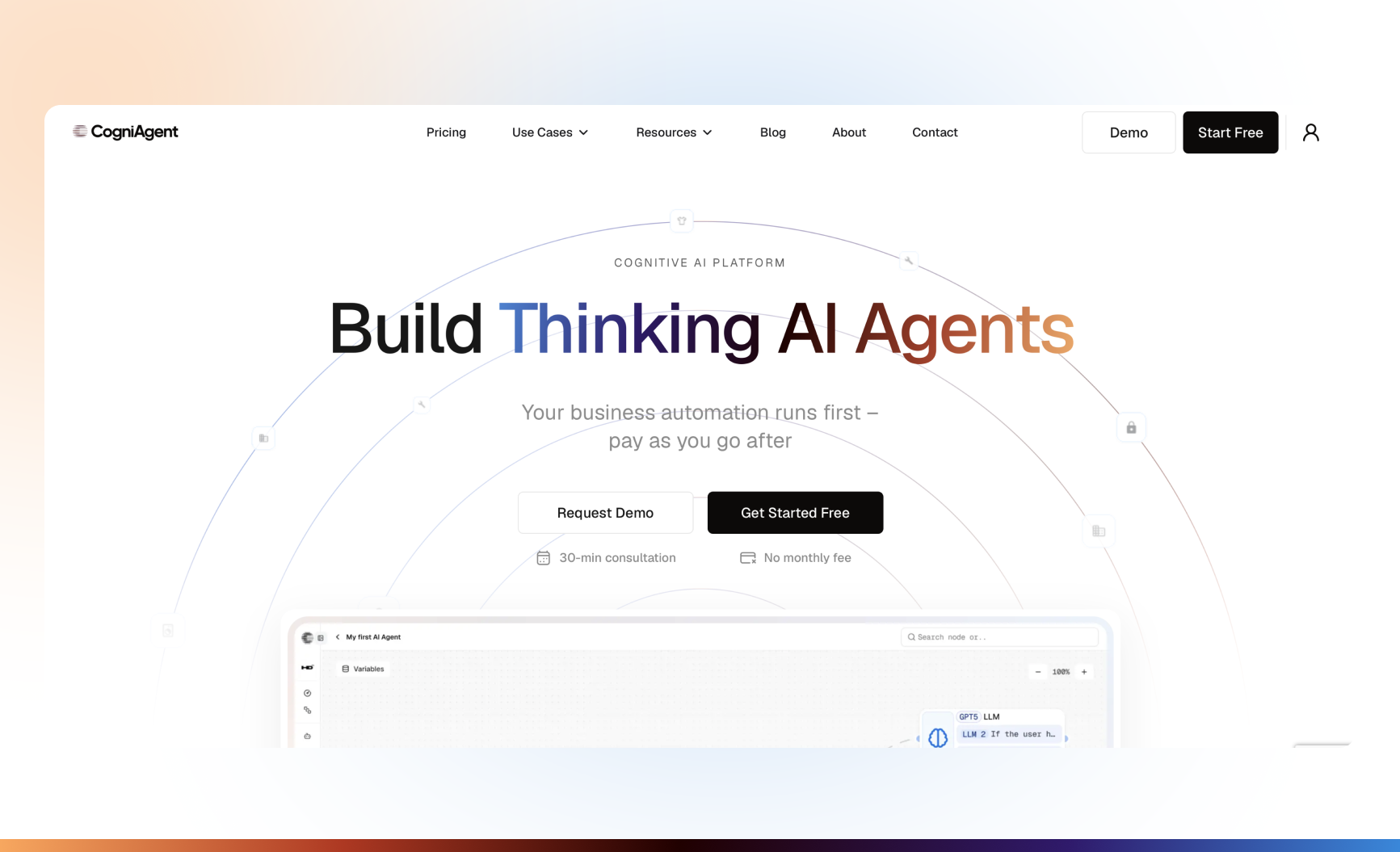
CogniAgent isn't marketed as veterinary-first the way a couple of tools below are, but its underlying design — a single AI agent that reasons through a conversation, checks a live calendar, and books directly — translates cleanly to a vet clinic's needs. It can be trained on your clinic's specific knowledge base (vaccination schedules, appointment types, what counts as urgent versus routine), ask qualifying questions to sort a "my dog is limping a little" call from a "my dog ate chocolate two hours ago" call, and escalate anything that sounds like a genuine emergency straight to a human rather than trying to resolve it itself. Because it runs the same logic across phone, SMS, WhatsApp, and web chat, a client can text a photo of a swollen paw and get the same quality of triage they'd get on a call. It integrates with calendar and CRM tools your practice may already use, and pricing is pay-as-you-go with no monthly minimum — details on the pricing page — which is appealing for practices wary of adding another fixed monthly software cost on top of PIMS, Weave, and everything else already in the stack. You can see how CogniAgent frames its broader approach to building custom agents on the agent builder page, since a vet-specific agent is something you'd configure rather than buy off a pre-built shelf.
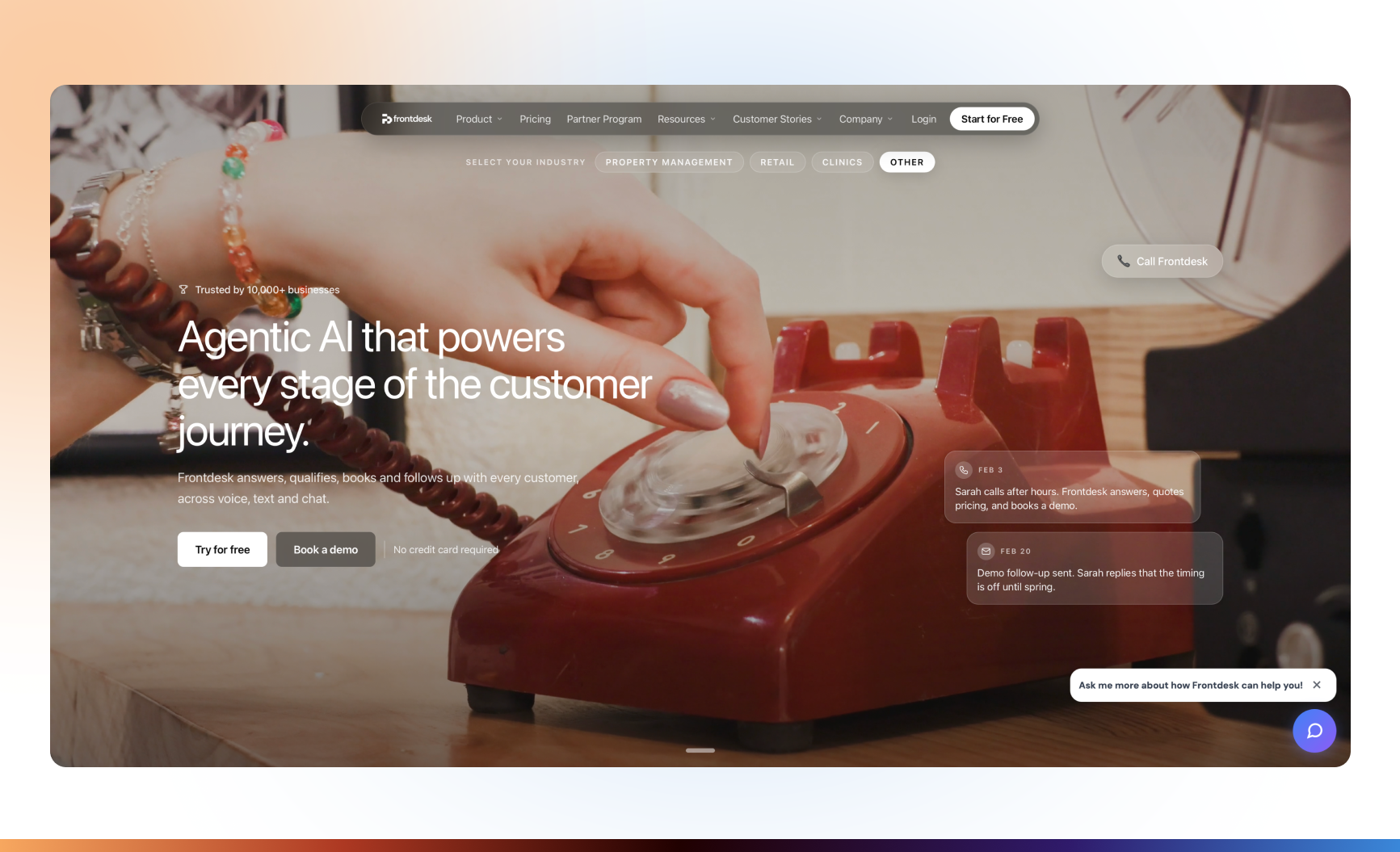
MyAIFrontDesk actually built a dedicated feature page for veterinarians, and it covers the basics well: 24/7 call answering, real-time appointment scheduling with no-show-reducing reminders, emergency triage that prioritizes urgent calls, and automated follow-ups for things like vaccination reminders and post-visit check-ins. Its "unified memory" concept — one AI brain that remembers a pet and owner across calls, texts, and chat — is a genuinely useful fit for a vet clinic, where the same patient might get discussed across multiple contact channels over the course of a treatment. Plans start at $16/month, with a popular $79/month tier, making it one of the more accessible options on this list for an independent practice.
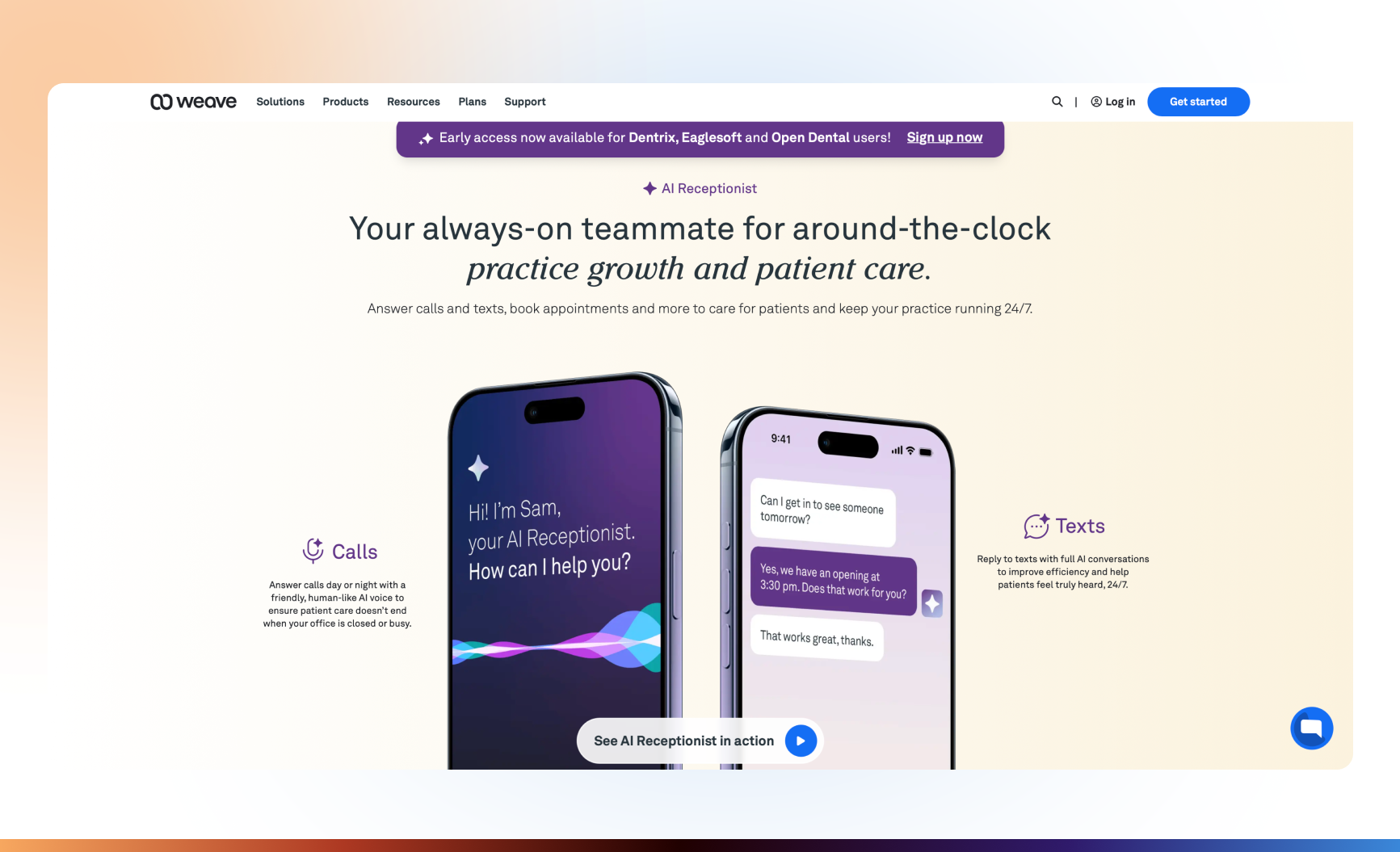
Weave is one of the most established communication platforms in veterinary medicine specifically, built around "Call Pop" technology that surfaces a client's pet history the instant their call comes in — so whoever answers already knows the animal's name and last visit before saying hello. Its missed-call text-back feature turns a voicemail into a live text conversation automatically, appointment self-booking and reminders reduce phone volume in the first place, and it writes information back into your practice management software automatically. With a 4.6-star rating across 375+ G2 reviews and deep integration with veterinary PIMS platforms, it's a safe, well-tested choice, especially for multi-doctor practices.
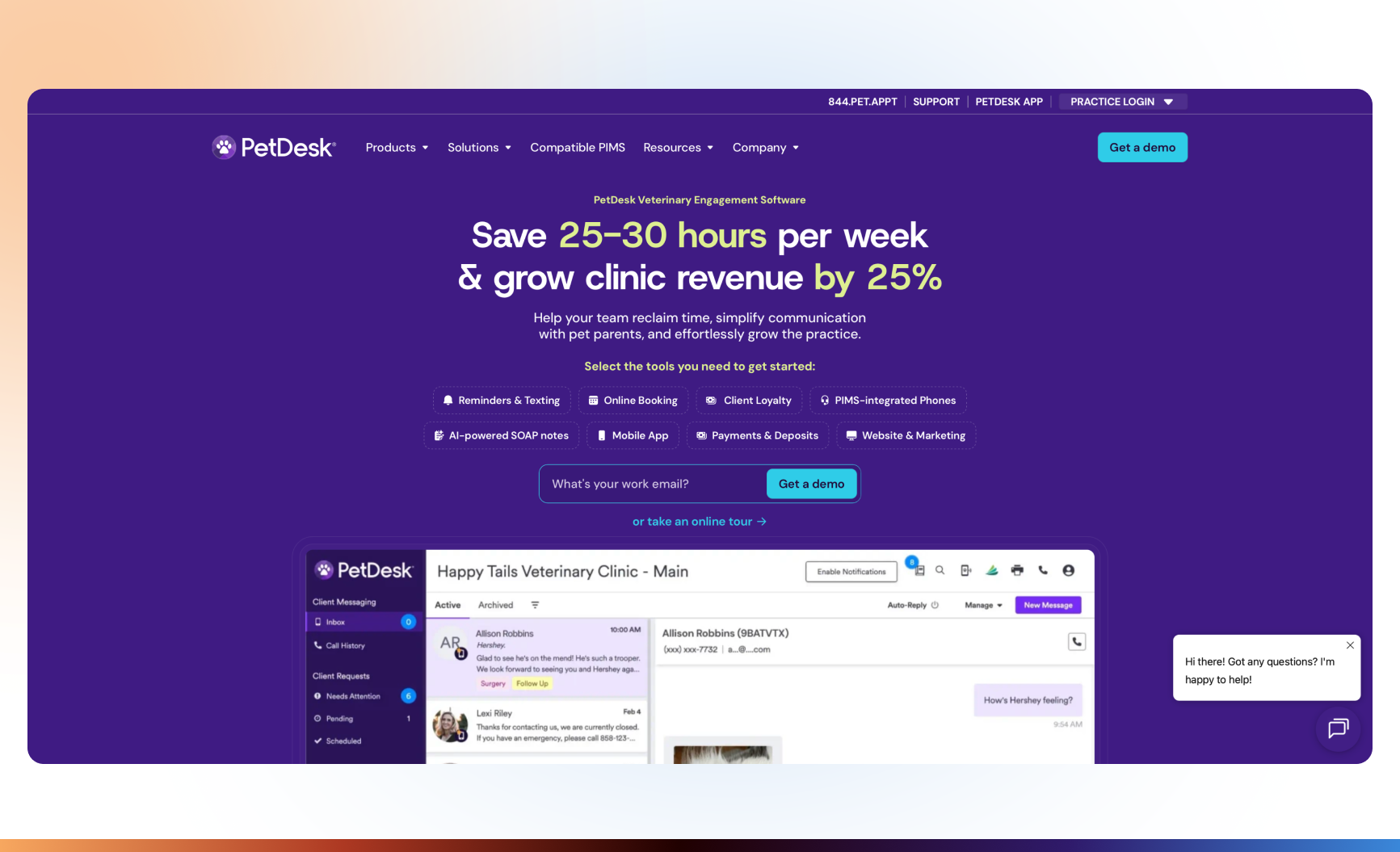
PetDesk's veterinary phone system was built specifically for the trade rather than adapted from a general business tool, and that specialization shows: AI-generated call summaries write straight back into 25+ practice management systems, staff can see a caller's upcoming appointments and vaccine status before they even pick up, and the company claims an 85% call productivity rate with over 200 staff-hours saved annually. It also automatically texts callers who reach voicemail so those interactions don't just evaporate. If your clinic wants software built by people who clearly understand vet-clinic workflows specifically, PetDesk is a strong, focused option.
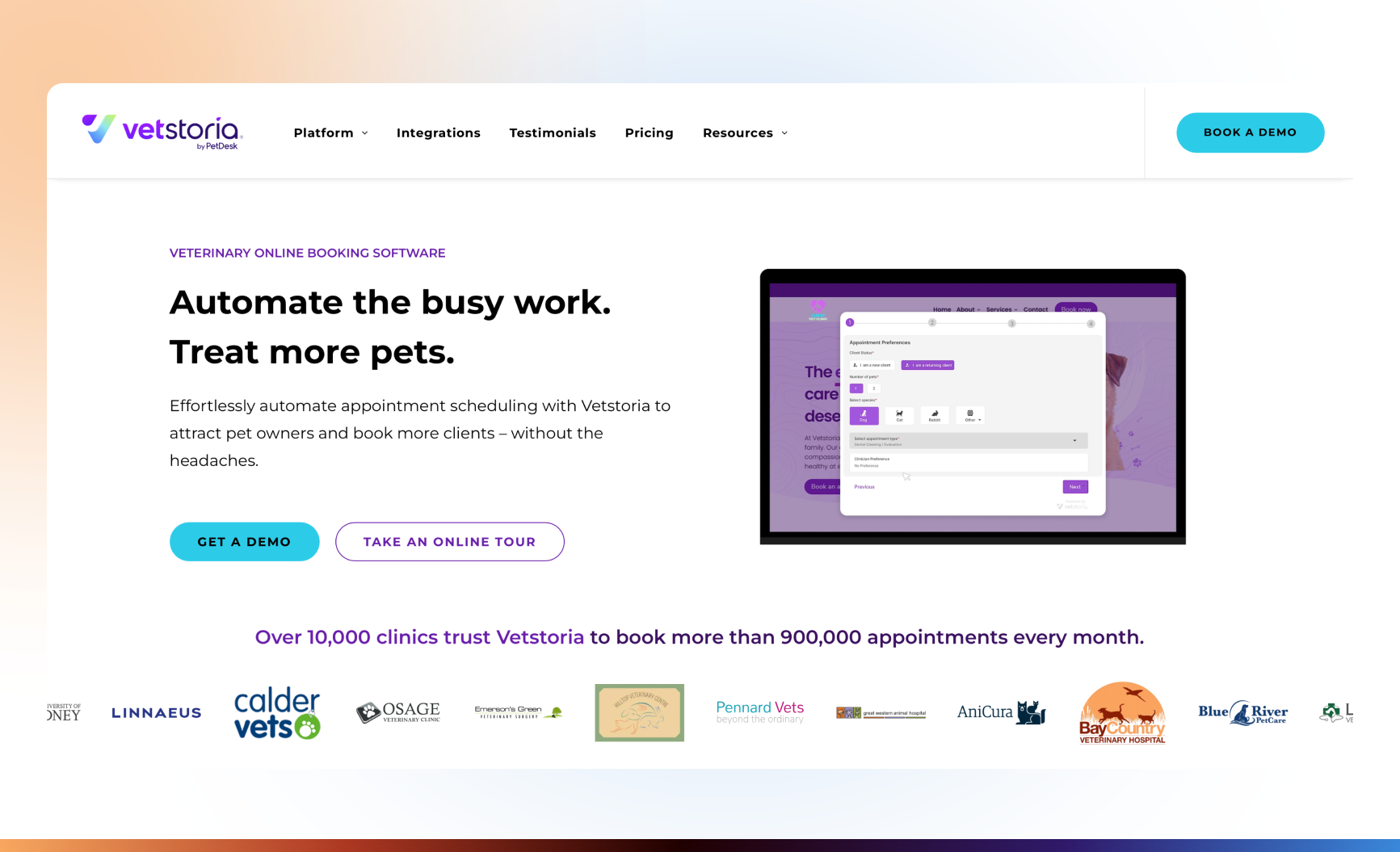
Vetstoria takes a slightly different angle — instead of an AI voice answering the phone, it reduces how often the phone needs to ring at all, with 24/7 online self-booking that syncs to your clinic's real-time calendar. With over 10,000 clinics using it worldwide and support staffed partly by former veterinary nurses and technicians, it understands clinic operations well, and integrates with 30+ practice management systems. It's less a full AI receptionist and more a booking-and-website layer, but it pairs naturally alongside an AI voice tool for the calls that still come in — many practices actually run Vetstoria for self-service booking and a conversational AI tool for the calls that need an actual back-and-forth.
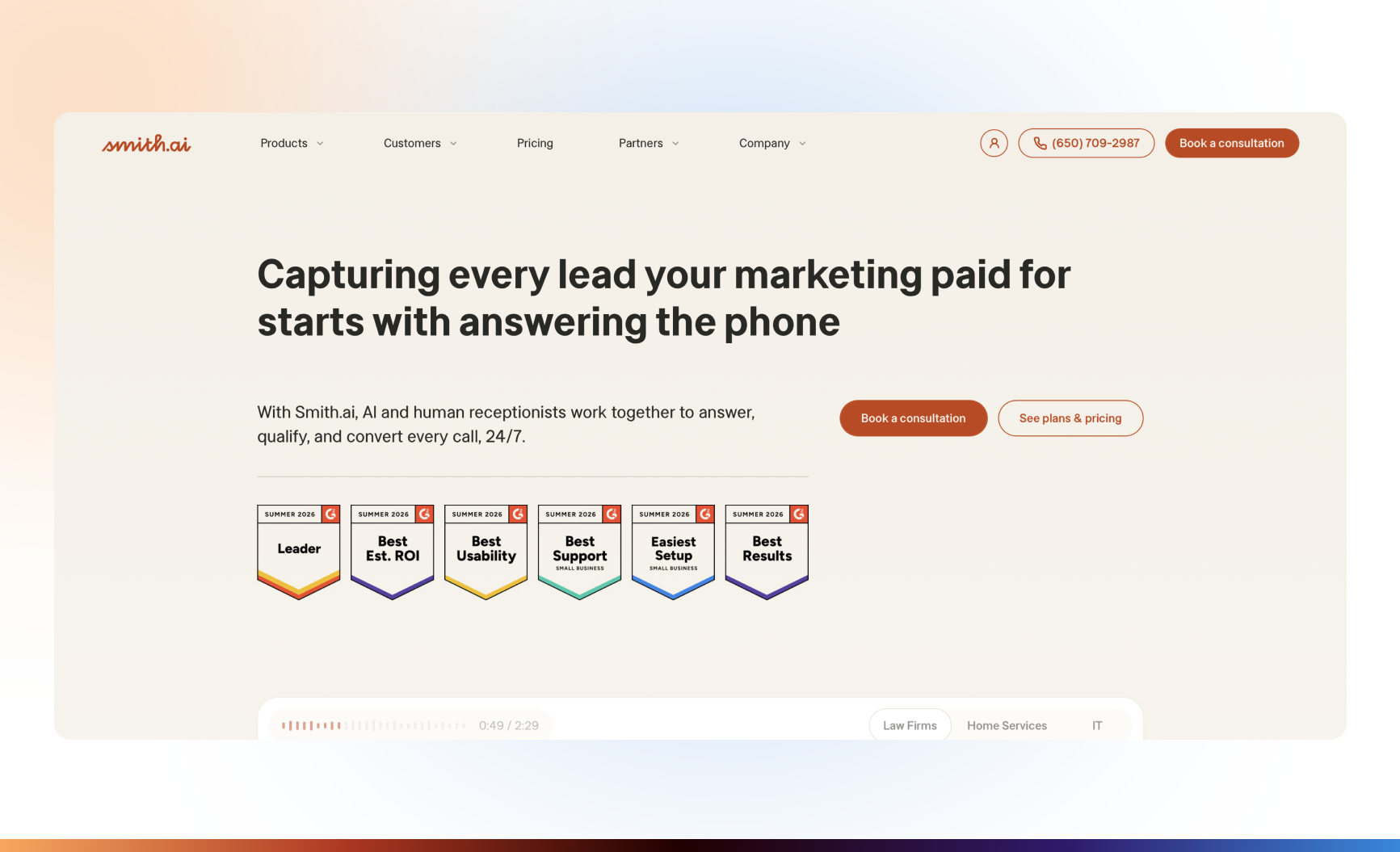
Smith.ai is worth including for veterinary practices that want HIPAA-adjacent, healthcare-grade call handling with a live human safety net — its AI-first, human-when-it-matters model and bilingual live agents make it a reasonable option for clinics that see a lot of anxious or non-English-speaking clients and want the reassurance of a real person available whenever the AI hits its limits.
More than any other niche on this list, veterinary care is where AI receptionists have to get emergency triage right, because the cost of getting it wrong isn't a lost sale — it's a pet owner who needed urgent help and didn't get routed to it fast enough. The best tools here treat automation as a way to handle the routine 80% (scheduling, reminders, basic questions) flawlessly and consistently, freeing up actual staff time for the emotionally complex 20% that genuinely needs a human.
That's the philosophy behind CogniAgent's approach too: conversational AI to hold the actual conversation naturally, autonomous agents to handle the tireless background work like reminders and follow-ups, and workflow automation to make sure everything lands in the right calendar and system — with clear, fast escalation to a real person the moment something sounds like it actually is one.
It's also worth thinking about your front desk staff as the actual end users here, not just the pet owners calling in. A vet clinic's front-desk team is usually juggling in-person clients, phone calls, and administrative work simultaneously, and a good AI receptionist should feel like relief, not surveillance, freeing them from repetitive scheduling and reminder calls so they can spend more time on the parts of the job that actually need a trained human, like comforting a scared client or coordinating with a vet mid-appointment. If your team resents the tool or works around it, it won't matter how technically capable it is. That's a good filter to apply during any trial period: ask the people actually answering your phones what they think, not just what the sales demo showed.