Article Updated Sep 07, 2026
 5 min read
6 Best AI Receptionists for Plumbing Businesses in 2026
Updated Sep 07, 20265 min read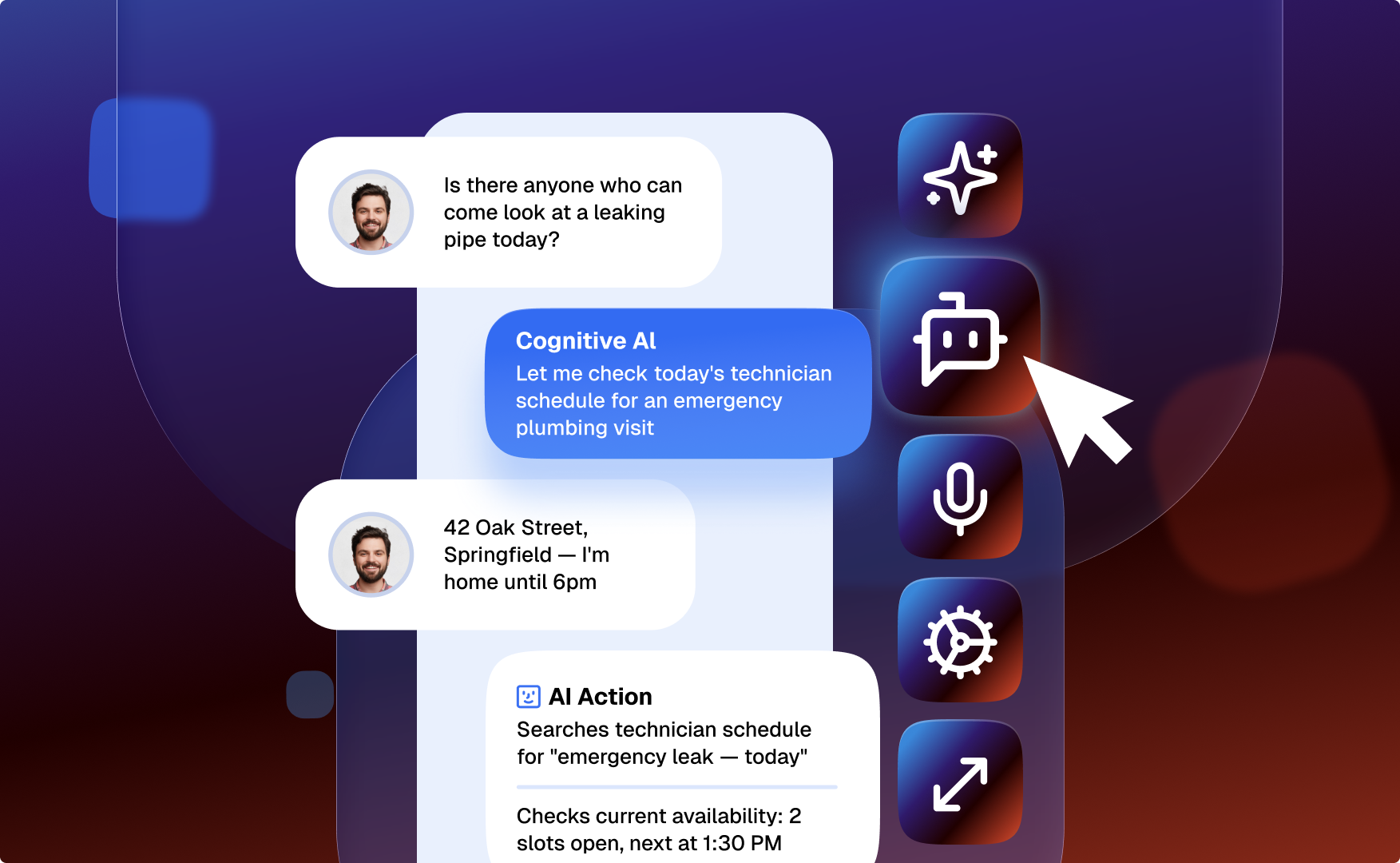 Updated Sep 07, 20265 min read
Plumbing might be the single best case study for why AI receptionists exist at all. Nobody calls a plumber to chat — they call because water is where it shouldn't be, right now, and every minute that call rings unanswered is a minute they're already dialing the next name on the list. Plumbers lose an enormous share of after-hours and weekend calls simply because there's no one at the desk at 11 PM on a Saturday, and that's exactly the gap AI has quietly closed over the last couple of years. By 2026, the tools built for this trade specifically know the difference between "my faucet drips" (schedule it for Thursday) and "my basement is flooding" (call the on-call tech right now).
Here are six AI receptionist options that plumbing businesses are actually using, and what makes each one worth considering.
It also helps to know what "good" looks like before you start comparing feature lists. A genuinely useful plumbing AI receptionist needs to do four things well: recognize true emergencies and act on them immediately, ask the right diagnostic questions so a tech shows up prepared instead of guessing, book directly into a real calendar rather than just promising a callback, and keep working a lead that doesn't convert on the first call — because plumbing decisions (outside of active emergencies) often get made a day or two later, after the homeowner has compared a couple of quotes. A tool that only nails the first of those four is still just a fancier voicemail.
It's also worth accounting for how plumbing businesses actually get discovered. A lot of plumbing leads still come through channels like Yelp, Thumbtack, or a Google Business Profile call button rather than a saved phone number, which means the caller often has zero prior relationship with your business and is comparing you against two or three other plumbers in the same search results. That first ninety seconds of the call is doing double duty — it's both customer service and a sales pitch, whether you think of it that way or not. An AI receptionist that sounds robotic or asks clunky, obviously-scripted questions can quietly cost you jobs even if it technically "answers the phone," which is why tone and conversational quality matter just as much as the backend scheduling logic.
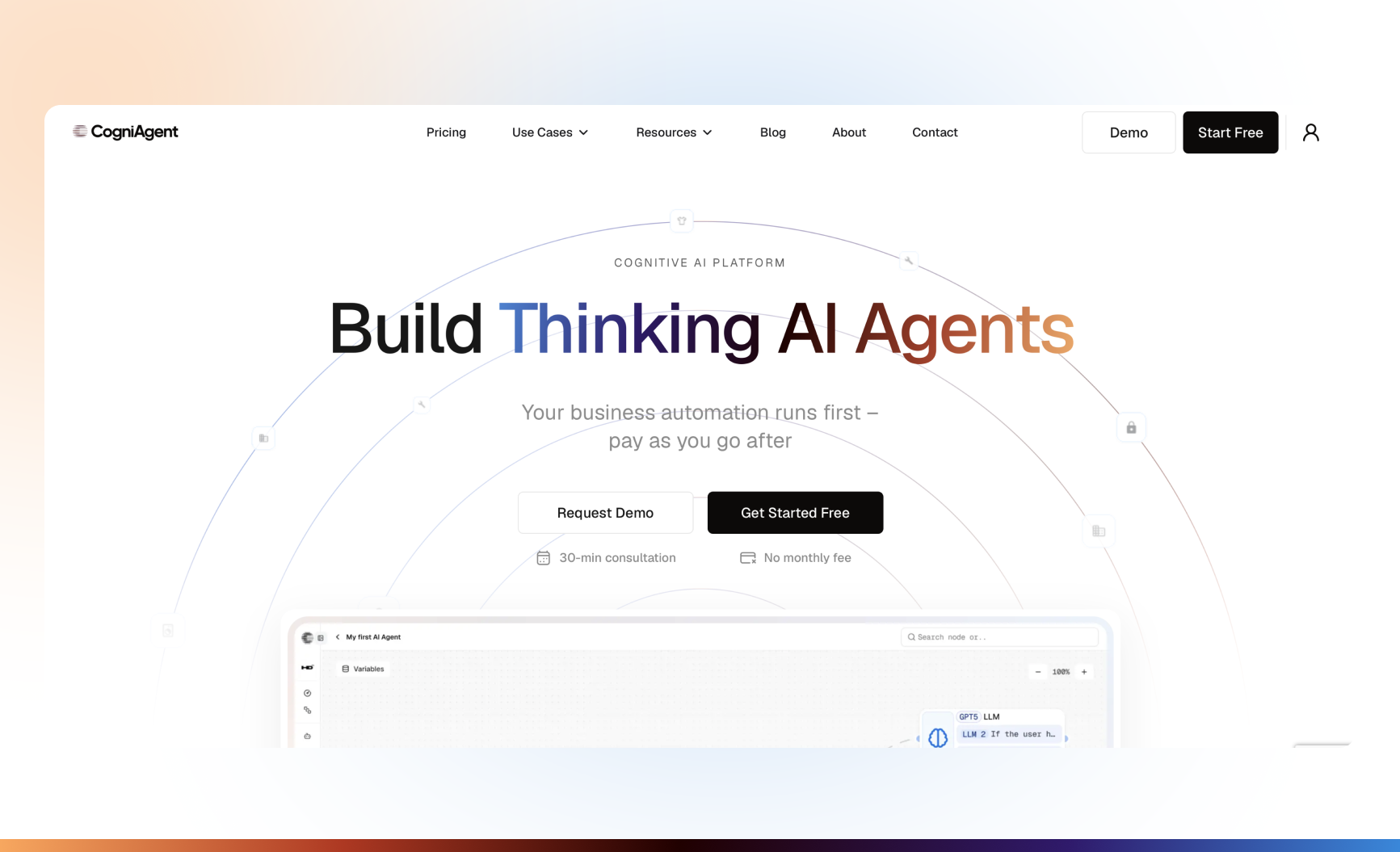
CogniAgent actually built a dedicated AI agent for plumbers, which tells you something about how seriously they take the trade-specific stuff rather than treating plumbing as an afterthought on a generic template. The agent does real emergency triage — it's trained to recognize language around burst pipes, active leaks, and no-water situations and treat those calls differently than a routine drain cleaning request. It collects the address and problem description, checks your live calendar, and books the job on the spot, all while working the same way across phone, SMS, WhatsApp, and web chat. CogniAgent quotes real numbers on that page: 99% of inbound calls answered with no voicemail, and typically 3-5 hours a week of manual follow-up work recovered — plus their line that "one job a month covers the cost" of the platform, which for an emergency-driven trade like plumbing is a pretty low bar to clear. It connects directly with Jobber, ServiceTitan, Housecall Pro, and FieldEdge, so it's not asking you to rip out your existing scheduling tool. Full pricing is on the pricing page, and it's pay-as-you-go with no monthly minimum.
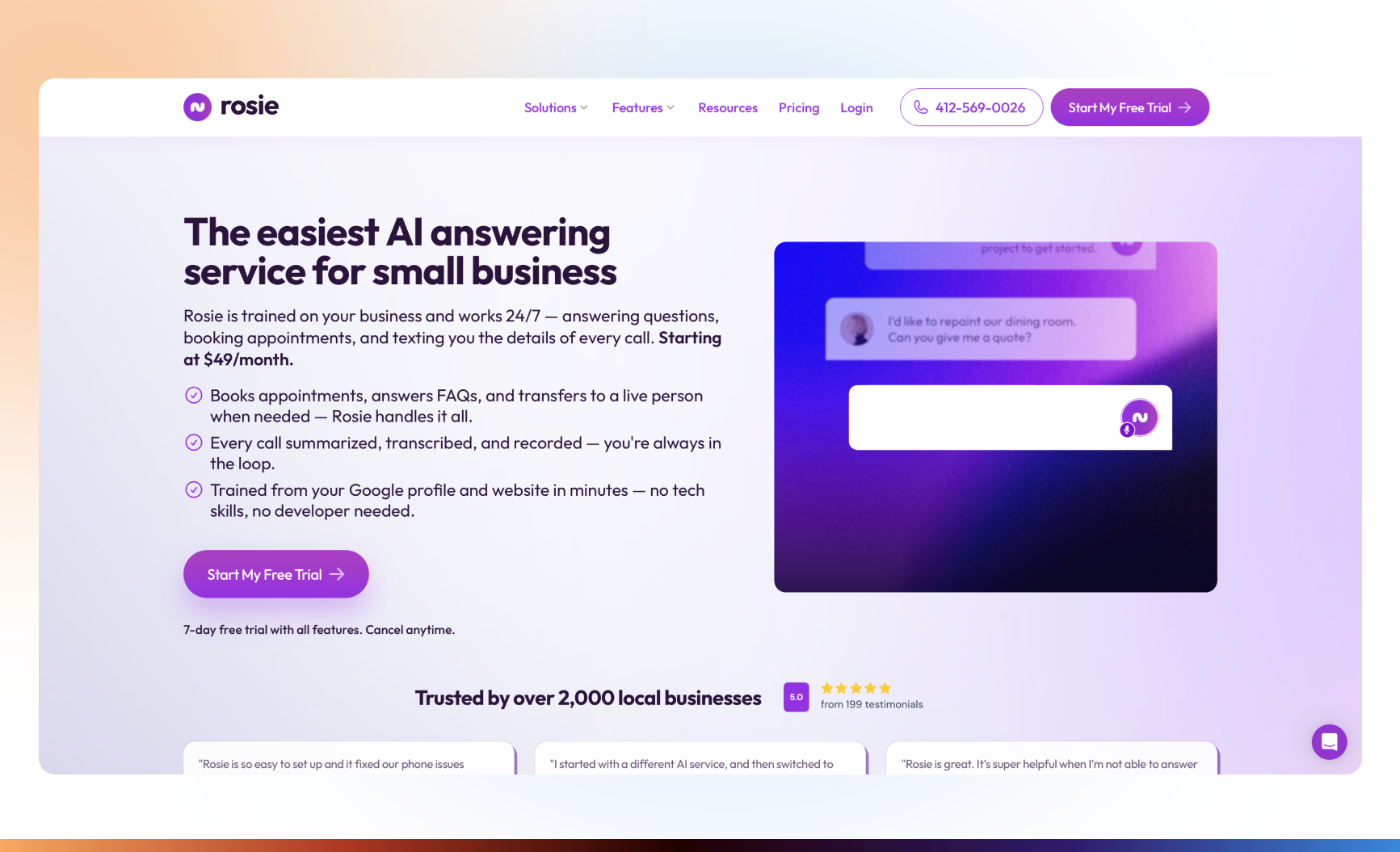
Rosie lists plumbing explicitly as one of its core industries, and for good reason — its whole design philosophy is "cheaper and better than voicemail, cheaper than a traditional answering service." It auto-trains from your Google Business Profile, handles call answering and spam filtering, books appointments, and can do warm or cold transfers to your on-call plumber for anything urgent. At $49-$299/month depending on plan, it's one of the more budget-friendly, no-nonsense options if you're a smaller plumbing operation testing the waters. The tradeoff is that Rosie is more of a focused call-answering tool than a full workflow platform — it's excellent at what it does, but you're less likely to get the deep multi-channel, multi-step automation that a broader platform offers.
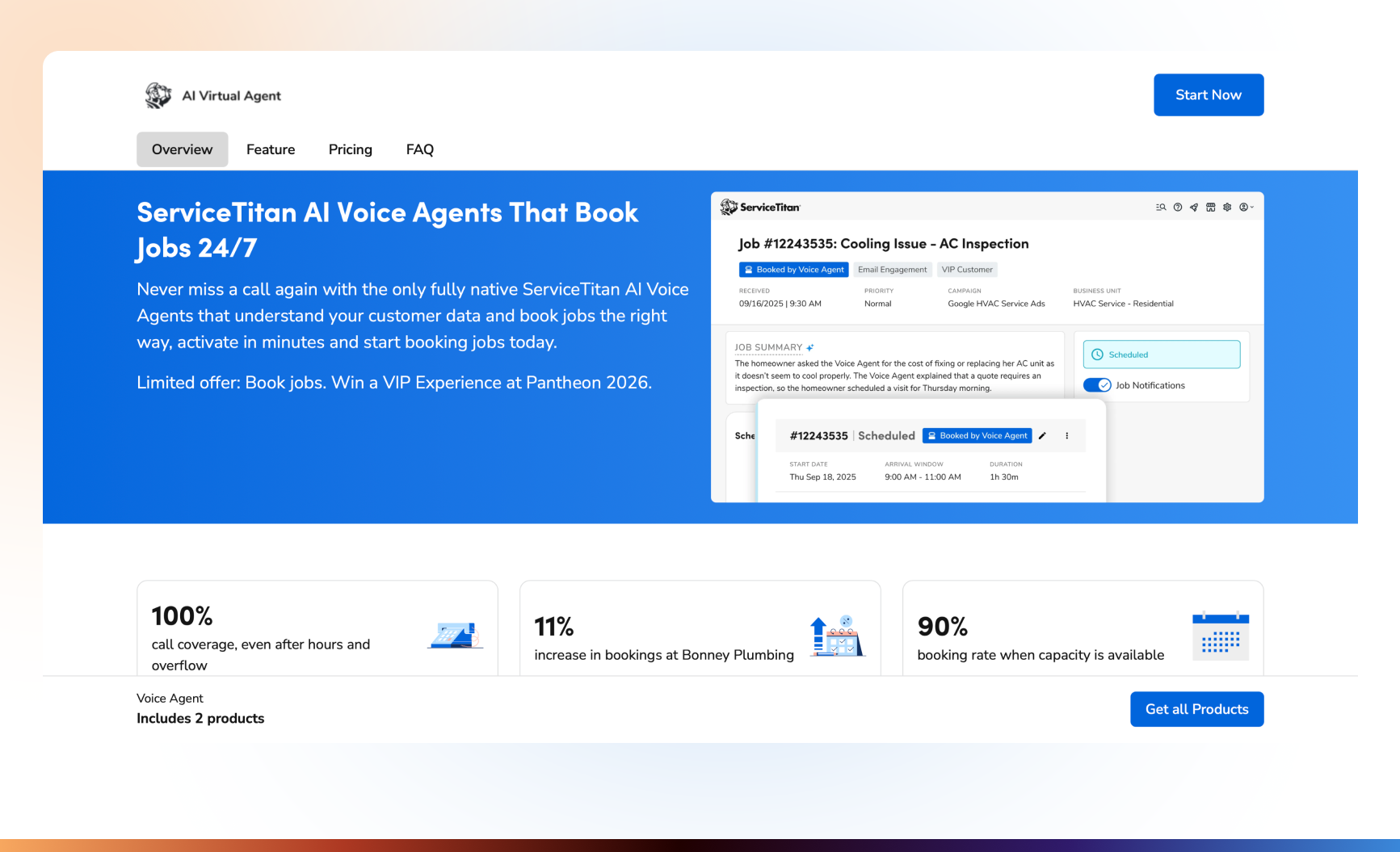
For bigger plumbing outfits — especially ones running multiple trucks and an actual dispatch team — ServiceTitan's Phones Pro brings serious call center capability directly into the platform plumbers already use to run jobs. Calls automatically link to job records, get transcribed and sentiment-scored, and the "Second Chance Leads" feature flags any call that rang off without turning into a booked job so someone follows up. It's less "replace your CSR" and more "give your CSR X-ray vision," which is the right framing for a shop that already has phone staff but wants them working smarter.
CSR AI answers calls and chats around the clock and books jobs straight onto the calendar using your existing service list, pricing, and customer history inside Housecall Pro. Housecall Pro's own claim is that pros using CSR AI earn more than twice the revenue on average, largely from catching the after-hours and holiday calls a plumbing business would otherwise lose entirely. It's a strong pick specifically if Housecall Pro is already your operating system.
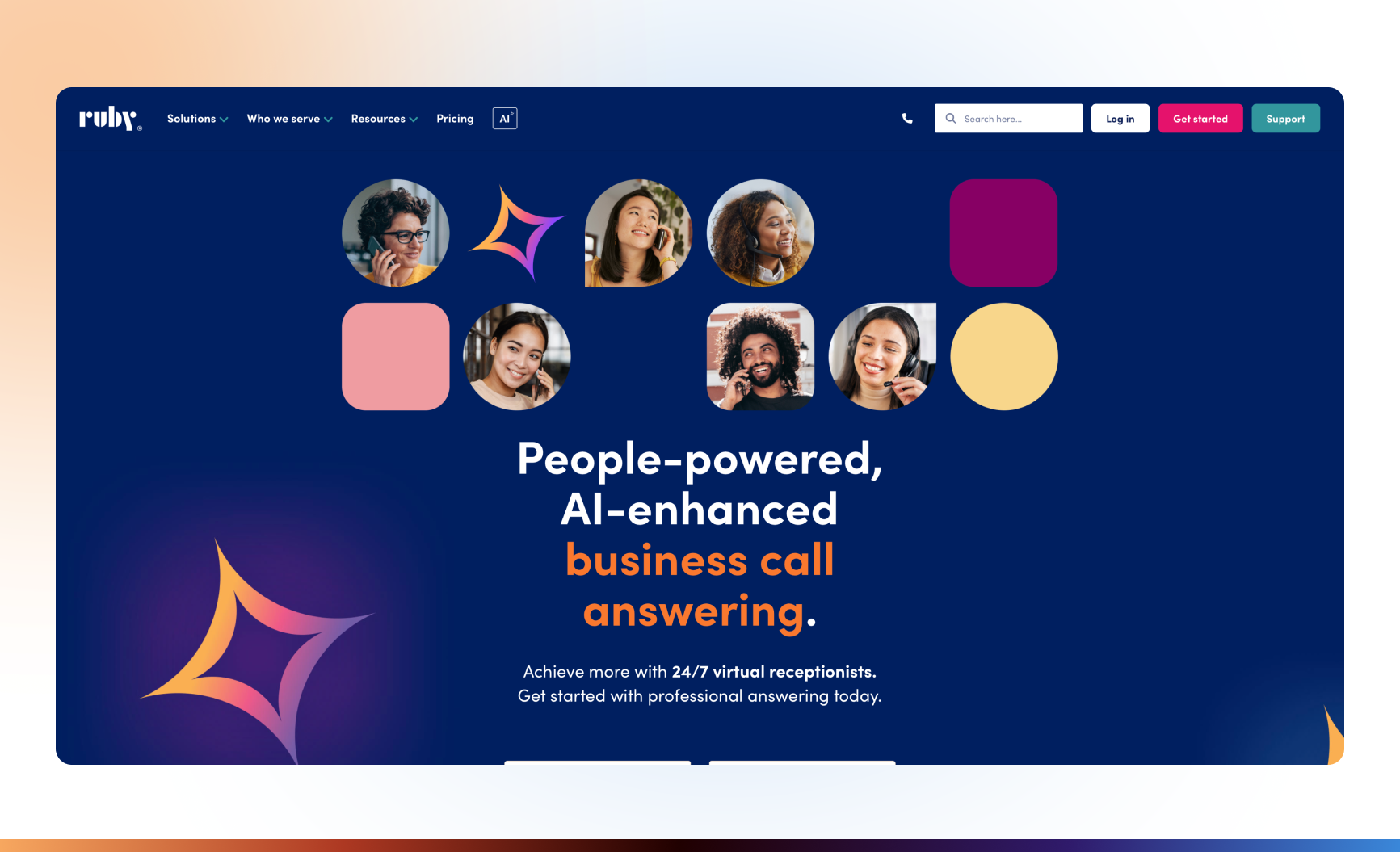
Ruby takes the human-plus-AI route, and plumbers show up by name in their list of core industries alongside roofers and HVAC contractors. Real receptionists handle the conversation, with AI running transcription, sentiment analysis, and robocall filtering in the background (they filter over 20,000 robocalls a month across their client base). If a fully autonomous voice still feels like a leap for your business, Ruby is a credible, well-established way to dip a toe in without going all-in on automation.
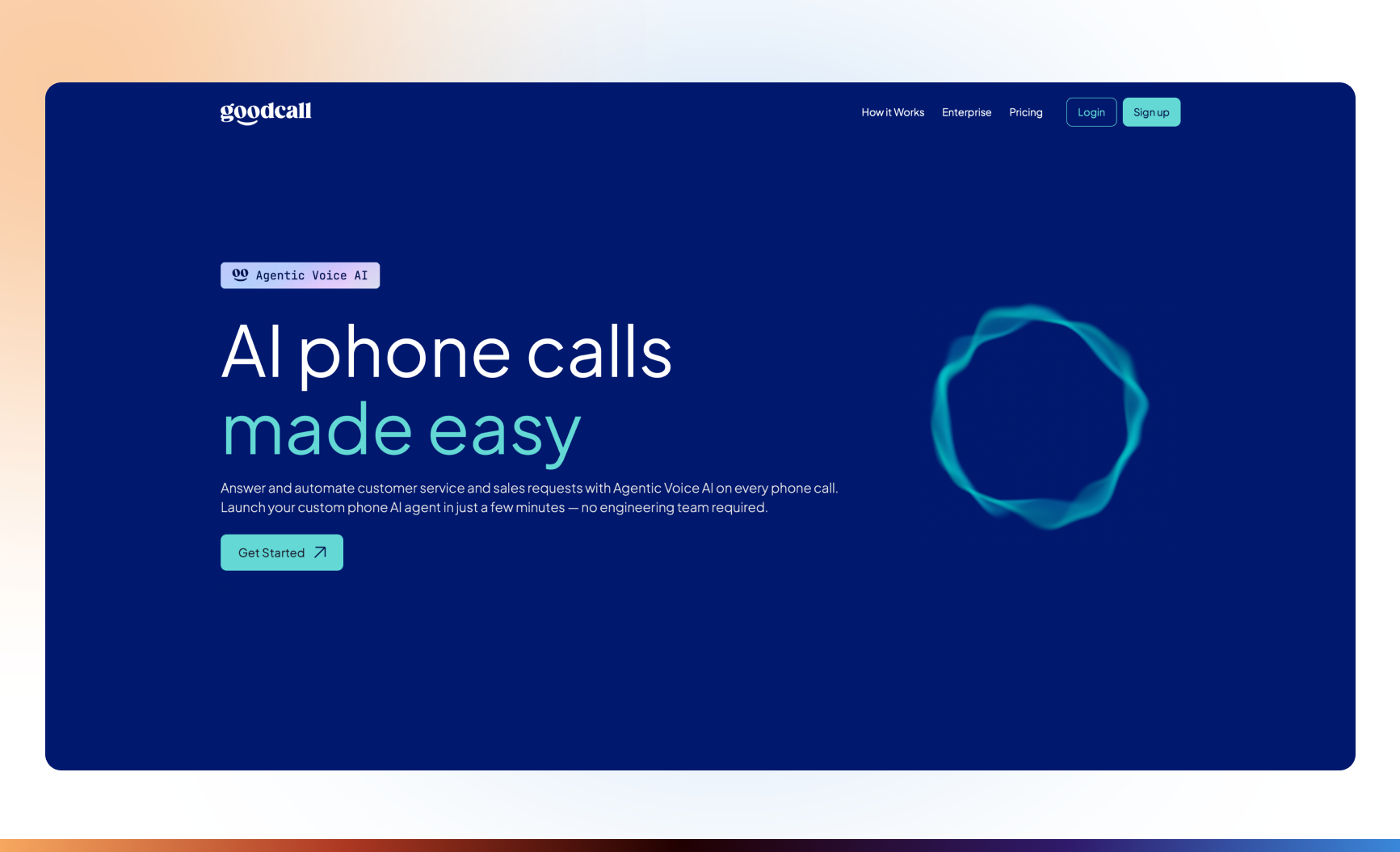
Goodcall is a solid fit for plumbing businesses that want strong reporting alongside the call handling — you get real analytics on automation rates, call outcomes, and caller behavior instead of just trusting a black box. It's fast to set up, HIPAA/SOC2/ISO27001 compliant if that matters to you, and its scale (60M+ voice interactions handled) suggests it's been stress-tested well beyond a beta product.
With plumbing specifically, the thing that separates a good AI receptionist from a great one is emergency judgment — can it actually tell the difference between "can wait until Thursday" and "send someone now," and does it act on that difference automatically rather than just logging every call the same way? That's harder than it sounds, and it's exactly why CogniAgent built a dedicated plumbing agent rather than a one-size-fits-all script. The bigger structural point, though, is what happens after triage: does the tool just flag the emergency, or does it also check the calendar, book the tech, send the confirmation, and follow up if the customer doesn't respond — all in one motion? That end-to-end loop, spanning conversational AI, autonomous follow-through, and workflow automation, is the difference between a phone gadget and an actual employee.
There's also a seasonal wrinkle worth mentioning: plumbing call volume isn't flat across the year. Frozen-pipe season brings a wave of true emergencies in a short window, while spring and summer tend to bring more planned work — water heater replacements, re-pipes, fixture upgrades, where the buying decision takes longer and follow-up matters more than instant triage. A plumbing business that only evaluates an AI receptionist during a slow week in July might miss how it performs when fifteen "no heat, no water" calls hit in the same afternoon during a cold snap. Whichever tool you pick, it's worth specifically asking the vendor how their system handles a sudden multi-fold spike in emergency call volume, because that's the exact moment when a mediocre system falls apart and a good one earns its keep.
One last practical tip: whichever plumbing AI receptionist you shortlist, spend a real afternoon calling it yourself with a handful of test scenarios (a routine drip, a suspected slab leak, a same-day water heater failure, and an obvious spam call) before you commit. Reading a feature list only tells you what a vendor claims; actually listening to how the agent handles an ambiguous or stressed-sounding caller tells you what you're really buying. Most vendors offer a free trial or demo specifically so you can do this before signing anything.