Article 13 min read
Top 10 Tools to Create Conversational AI for eCommerce
4.5/5 - (38 votes)
 13 min read
 13 min read
The clock strikes midnight, and your online store stays open, but your customer service team doesn’t. A shopper hesitates at checkout, unsure about sizing. Another needs help tracking their order. By morning, you’ll find abandoned carts and frustrated messages – missed opportunities that could have been captured with a simple conversation. This is the reality for eCommerce businesses today. Customers expect an instant, personalized experience and product recommendations at every touchpoint, but scaling human teams to meet these demands is costly and inefficient. The gap between what shoppers want and what businesses can realistically deliver keeps growing wider – until conversational AI bridges it. This is where conversational AI changes the equation. Unlike static FAQ pages or delayed email responses, these solutions (AI chatbots, virtual assistants, and voice-enabled tools) create dynamic, two-way conversations. And to make the shopping journey even smoother, they anticipate needs and deliver relevant responses. Demand for these tools is exploding because they work. Now, the question is - what's the right conversational AI chatbot solution for eCommerce businesses? The right platform can mean the difference between a clunky, frustrating bot and a seamless extension of your brand. Below, we explore the tools that empower businesses to build AI experiences that improve customer satisfaction and their shopping experience.
Customers don't just buy products, but rather experiences. They expect stores to know what they want, answer questions instantly, and make shopping effortless. When businesses can't deliver this, shoppers leave and rarely come back. Various solutions to these issues promise to improve customer engagement and keep online shoppers hanging out on your site longer; however, online retailers are turning to conversational AI to handle customer support, improve customer interactions, and supplement their human agents' efforts. The difference between thriving and just surviving increasingly comes down to one question: How well does your store communicate with customers? The numbers tell the story:
It's clear that the brands that adopt AI-driven conversations outperform those relying solely on human support and static shopping experiences. But what is it that conversational AI for eCommerce can do that makes it so transformative? Let's explore.
Chatbots never sleep, never take breaks, and handle repetitive tasks instantly. They free up your team to focus on complex issues while ensuring customers always get immediate help. They can quickly answer customer queries about product availability, shipping information, simple FAQs, and more.
AI remembers what your customers like and makes smart suggestions like your best sales associate would. It can quickly source customer data, analyze past customer conversations and online shopping habits, and make suggestions, improving the overall shopping experience.
Every customer conversation becomes data to help you improve your store. Besides giving quick answers and smart suggestions, large language models display continuous improvement and learn from customer information, customer preferences, and customer needs; they analyze this data and deliver valuable insights that'll help you exceed customer expectations.
The proof of conversational AI's power isn't in the technology; it's in the results achieved by household-name brands that have transformed their customer experience. These industry leaders demonstrate what's possible when you combine AI with a smart eCommerce strategy.
Sephora set a new standard for beauty retail when it introduced its chatbot assistant. By analyzing customer preferences and purchase history, the AI provides personalized makeup recommendations that feel like advice from a friend. This approach drove an impressive 11% increase in bookings for their in-store makeup services, proving that digital conversations can actually boost physical store visits. H&M took personalization even further with its AI stylist. Rather than just suggesting products, the chatbot engages customers in a conversational style, asking about preferences and occasions before recommending complete outfits. This thoughtful approach resulted in 70% higher engagement rates, showing that customers respond when retailers take the time to understand their unique tastes. These success stories share a common thread: the winning brands reimagined the customer experience around conversational commerce. The results speak for themselves in higher engagement, increased sales, and more loyal customers.
Now that you know what eCommerce AI chatbots can do for your business and overall customer experience, it's time to explore the tools you need to build your chatbot and achieve a competitive edge.
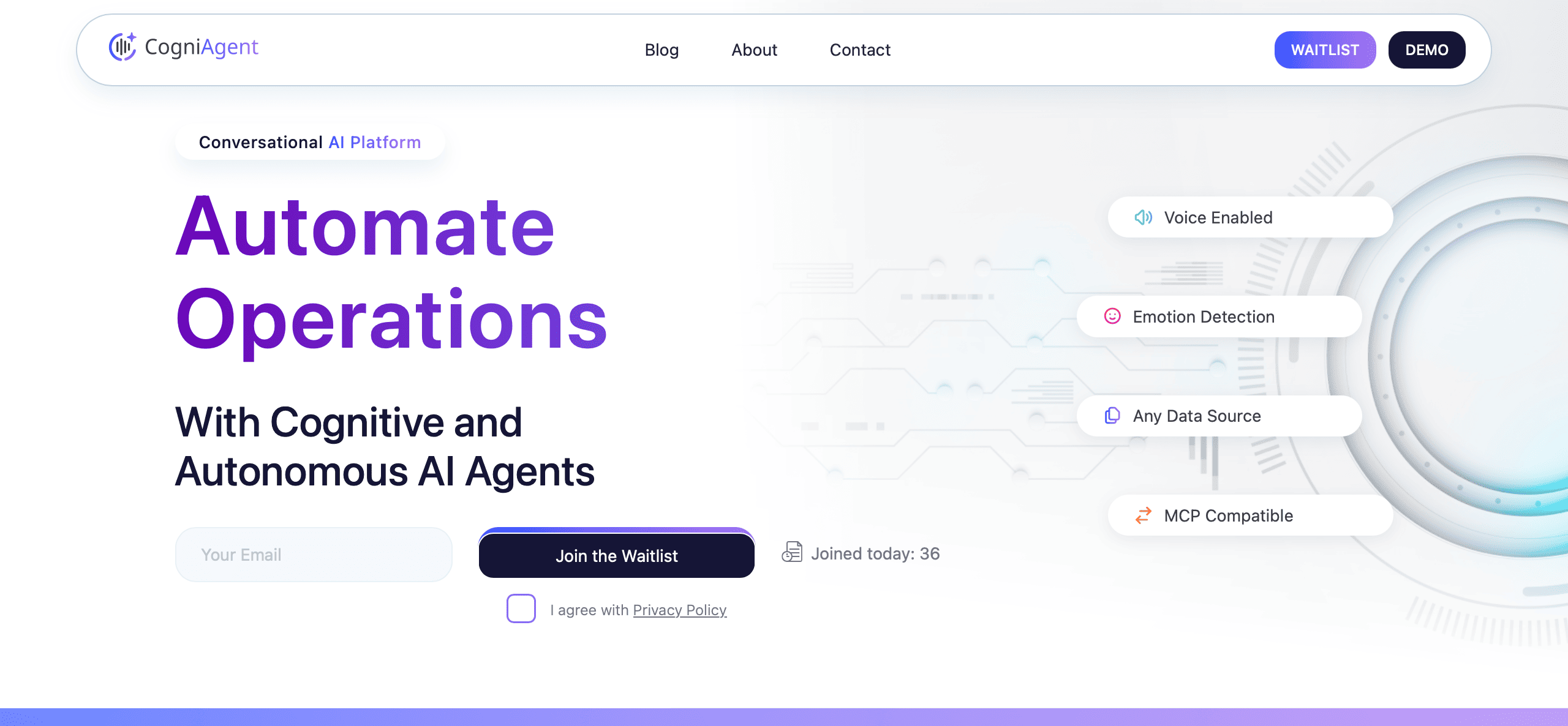
Overview: The most advanced no-code conversational AI platform built specifically for eCommerce, combining emotional intelligence with powerful automation. Why it stands out:
Key features:
Best for: Businesses wanting human-like AI conversations without coding
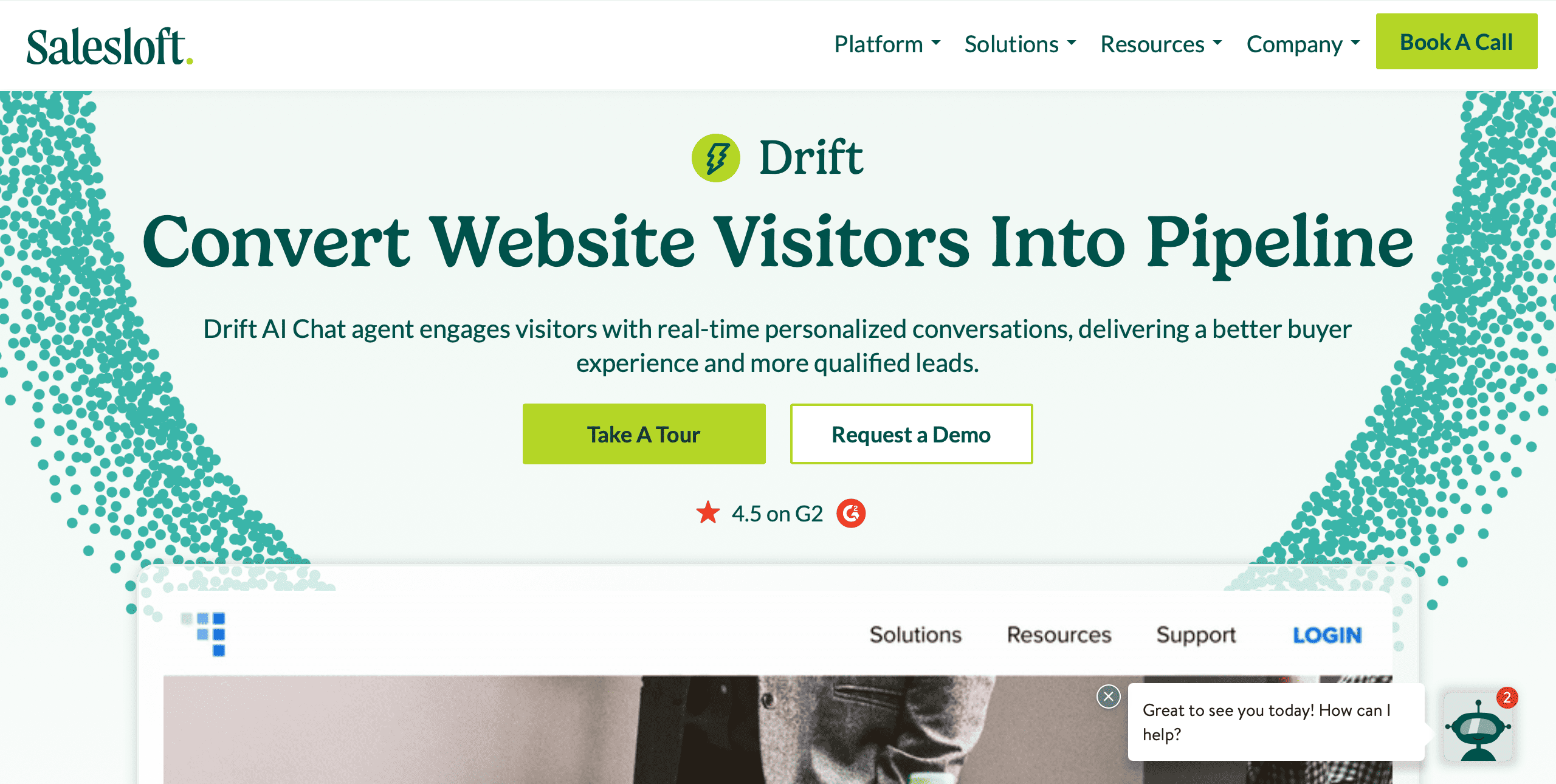
Overview: Drift is a conversational marketing platform designed to streamline lead generation and qualification through real-time engagement. It enables businesses to have meaningful conversations with website visitors, guiding them toward conversion faster.
Key Differentiators:
Limitations:
Key Features:
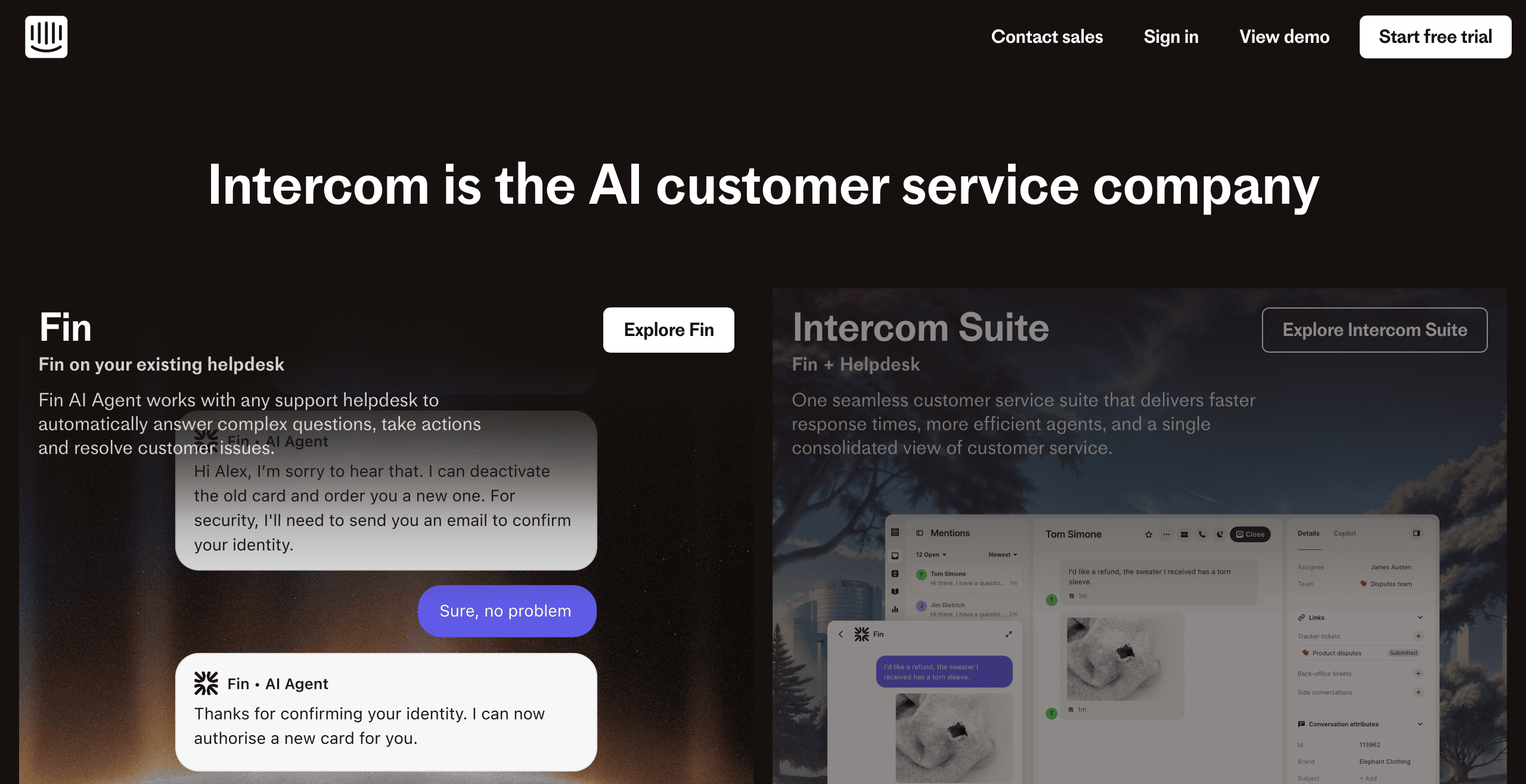
Overview: Intercom is a robust customer messaging platform that blends bots and live support to deliver personalized customer experiences. Its versatility makes it a popular choice for SaaS and eCommerce companies alike. Key Differentiators:
Limitations:
Key Features:

Overview: ManyChat is a visual chatbot builder optimized for Facebook Messenger and SMS marketing. It empowers brands to automate interactions and drive conversions through personalized, scripted experiences. Key Differentiators:
Limitations:
Key Features:
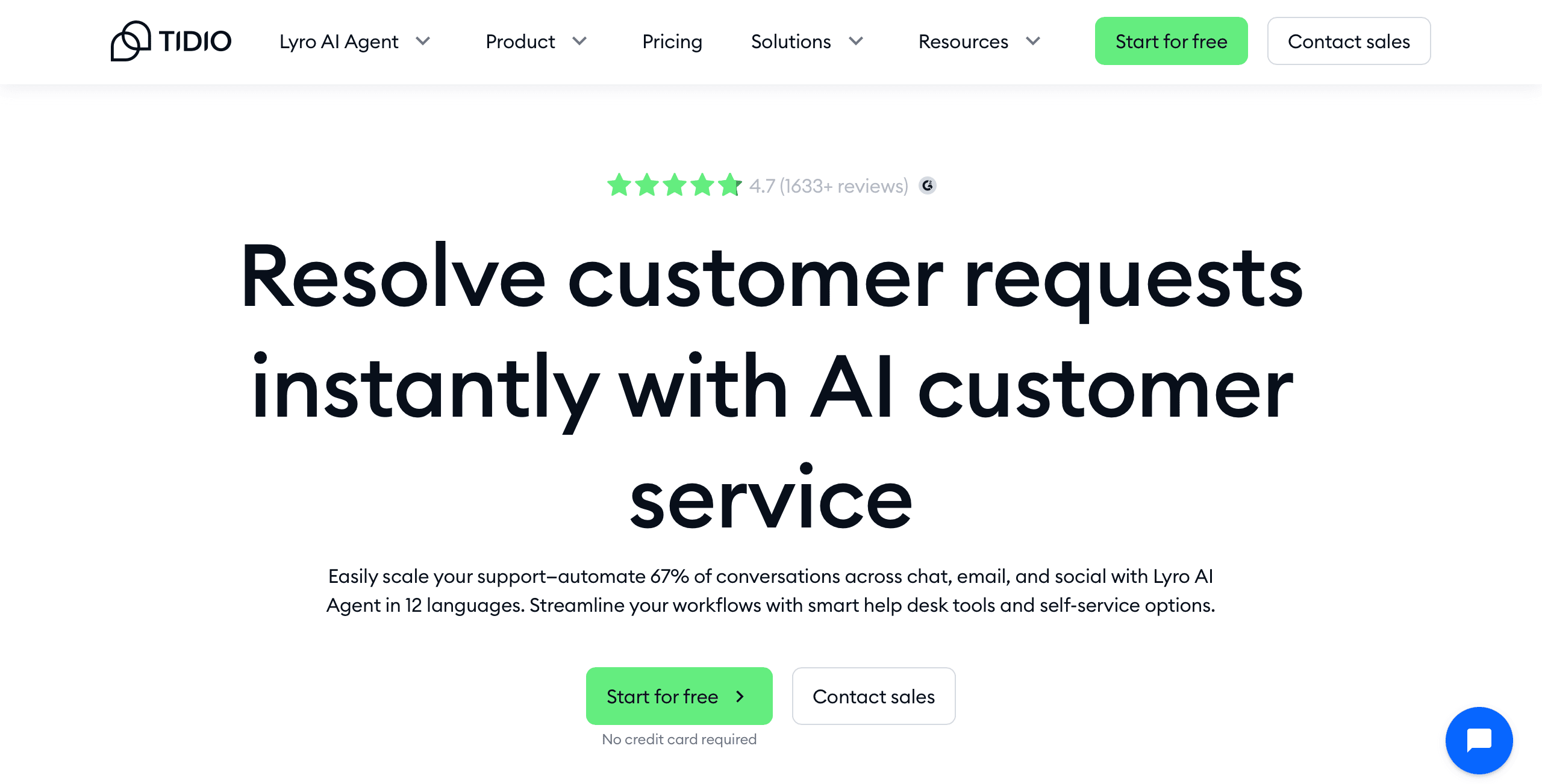
Overview: Tidio combines live chat and AI chatbot technology to help businesses deliver responsive, round-the-clock customer support. Designed for eCommerce stores looking to streamline customer communication. Key Differentiators:
Limitations:
Key Features:
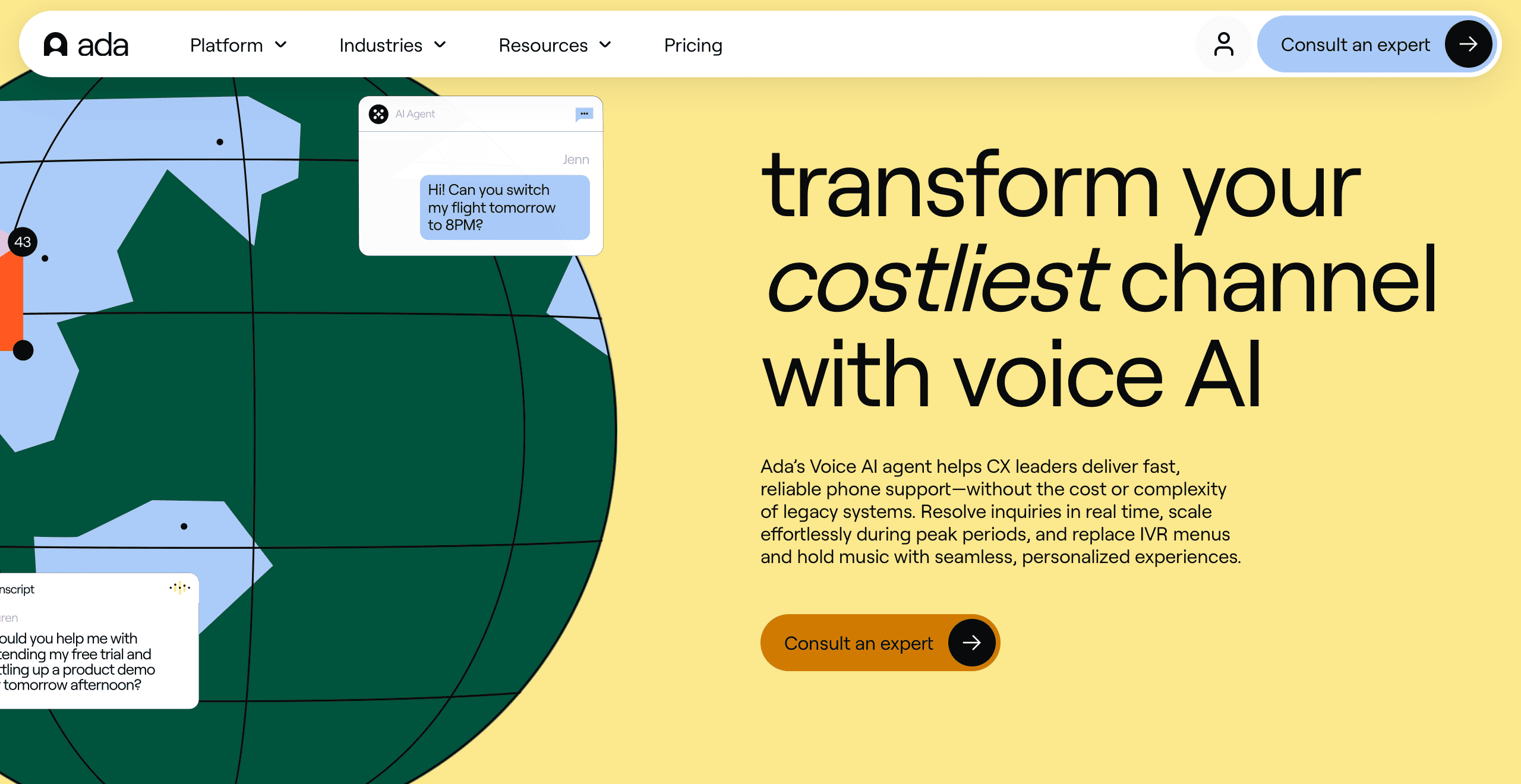
Overview: Ada is an AI-first platform tailored for automating customer service at scale. It uses NLP to help brands deflect support tickets and deliver consistent, on-brand automated experiences. Key Differentiators:
Limitations:
Key Features:
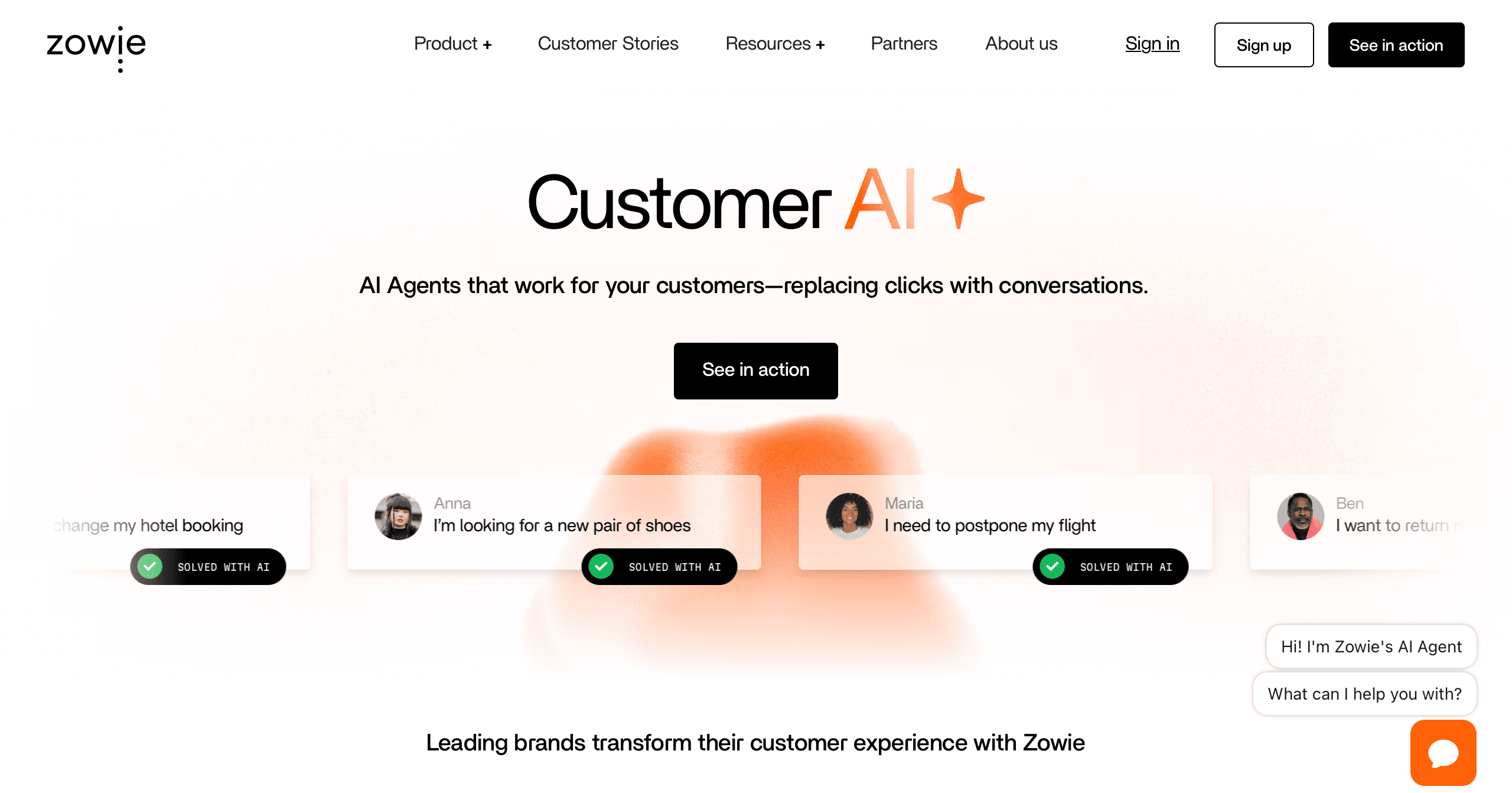
Overview: Zowie is a chatbot platform crafted specifically for eCommerce. It enables brands to automate responses to common product and order-related queries with minimal setup. Key Differentiators:
Limitations:
Key Features:
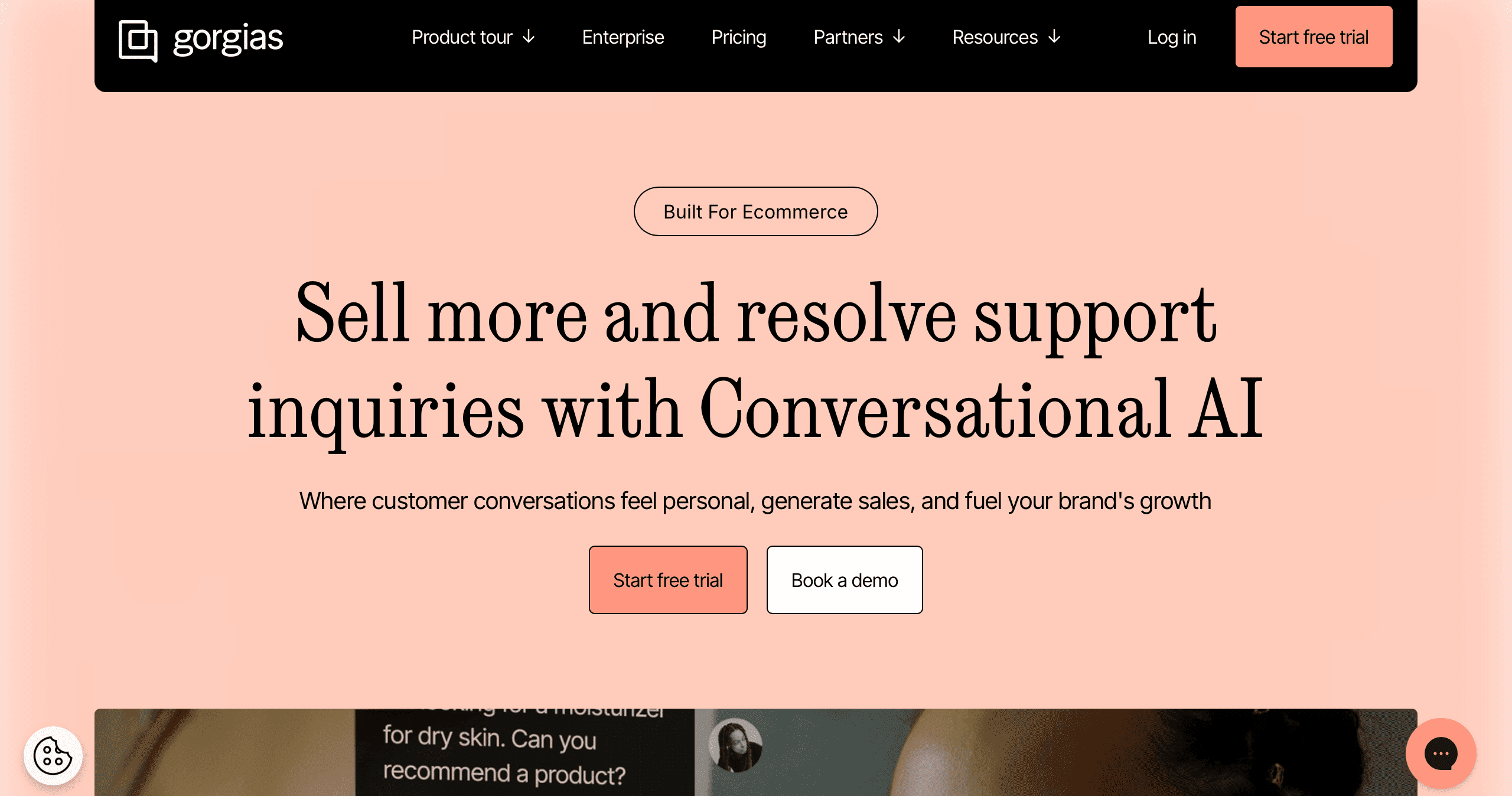
Overview: Gorgias is a helpdesk solution with built-in automation features, created specifically for eCommerce brands. It centralizes support across email, chat, and social platforms. Key Differentiators:
Limitations:
Key Features:
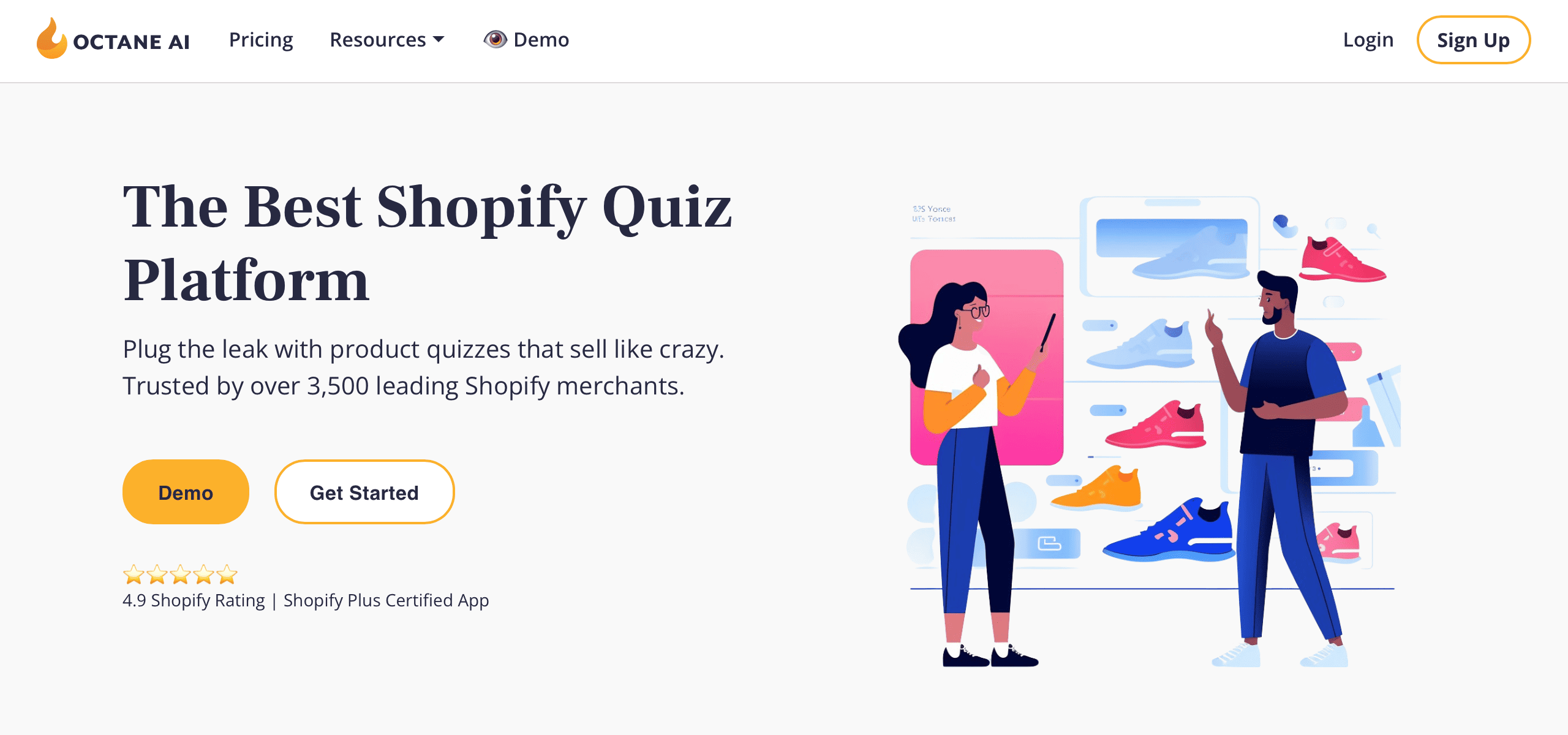
Overview: Octane AI is a conversational commerce platform that helps eCommerce brands increase sales through quizzes and personalized shopping experiences. Key Differentiators:
Limitations:
Key Features:
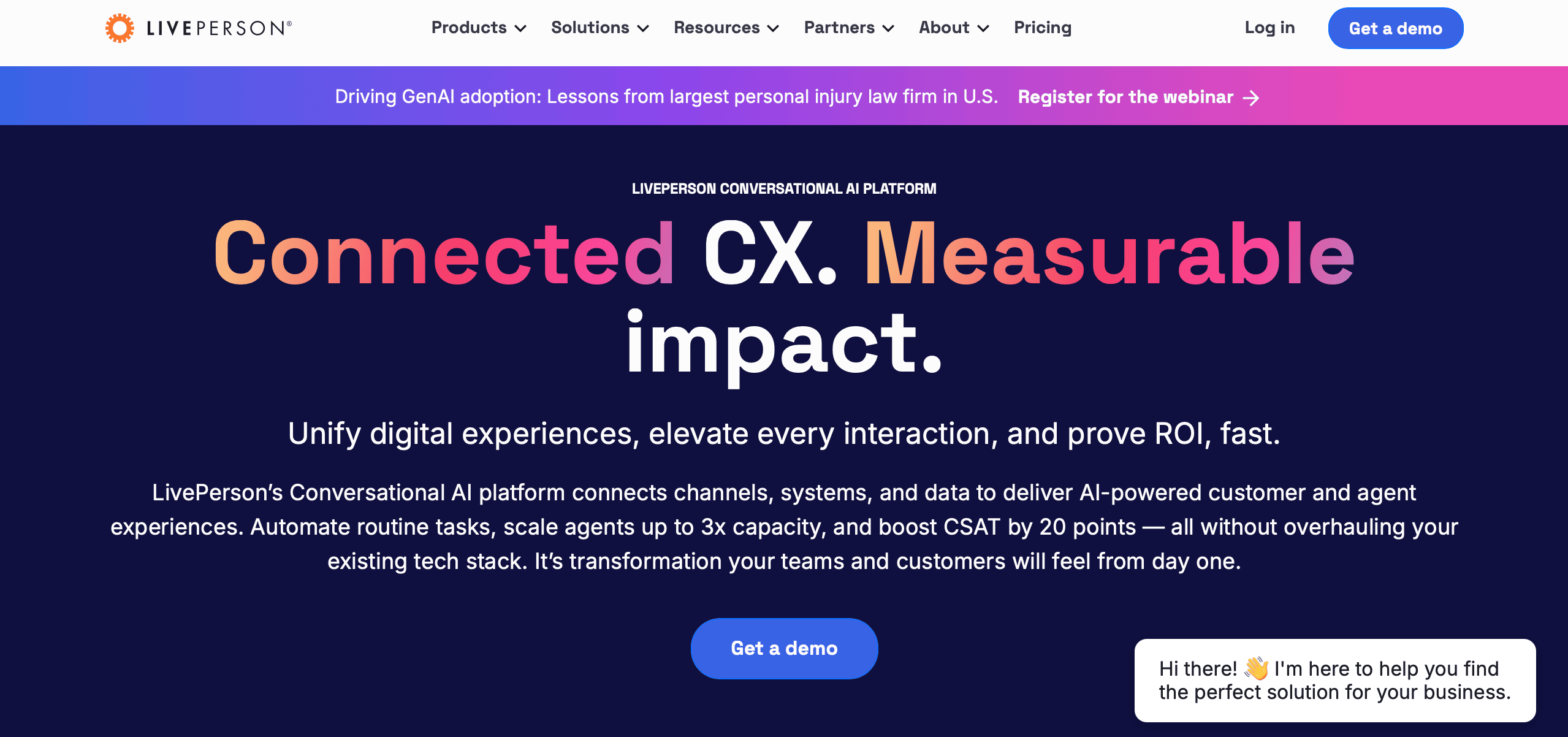
Overview: LivePerson is an enterprise-grade conversational AI platform designed for large-scale customer engagement across web, mobile, and messaging channels. Key Differentiators:
Limitations:
Key Features:
The right conversational AI for eCommerce can transform customer engagement, boost sales, and reduce operational costs, but selecting the best solution requires careful consideration. With advancements in conversational AI in e-commerce, businesses must evaluate tools based on their ability to provide quick responses, enhance customer loyalty, and adapt to future trends. Below, we break down the best practices for choosing a conversational AI chatbot for eCommerce that delivers at a deeper level of personalization and automation. To ensure you select the best conversational AI e-commerce solution, assess the following factors:
|
Consideration |
Why It Matters |
When to Prioritize It |
How to Evaluate |
|
Integration Capabilities |
Ensures seamless connectivity with your existing tech stack (Shopify, WooCommerce, CRM, ERP). |
If you use multiple platforms (e.g., Shopify + Zendesk). |
Check API documentation and pre-built connectors. Test with a sandbox environment. |
|
Natural Language Understanding |
Determines how well the AI interprets customer queries, including slang and typos. |
If your customers ask complex or varied questions. |
Run test conversations with real customer queries. Check if the AI handles follow-up questions well. |
|
Personalization & Context Retention |
Boosts customer loyalty by remembering preferences and past interactions. |
If repeat purchases or upselling is key to your strategy. |
Verify if the tool tracks user history and adapts recommendations. |
|
Omnichannel Support |
Allows AI to engage customers across WhatsApp, SMS, live chat, and voice. |
If your customers use multiple communication channels. |
Confirm which channels are supported (e.g., Messenger, Instagram, email). |
|
Automation Depth |
Reduces operational costs by handling FAQs, returns, and order tracking without human help. |
If you receive high volumes of repetitive queries. |
Test if the bot can execute multi-step workflows (e.g., processing returns). |
|
Sentiment & Emotion Detection |
Enhances interactions by adapting tone based on customer mood (frustrated, happy). |
If customer satisfaction is a key metric for your brand. |
Check if the artificial intelligence adjusts responses based on emotional cues. |
|
Scalability |
Ensures performance remains smooth during peak traffic (Black Friday, holidays). |
If you experience seasonal spikes in customer inquiries. |
Ask about server capacity and concurrent user limits. |
|
Analytics & Insights |
Helps refine strategies by tracking conversion rates, drop-off points, and popular queries. |
If data-driven decision-making is crucial for growth. |
Review dashboard features (e.g., conversation logs, intent analysis). |
|
Pricing Model |
Affects long-term ROI – some tools charge per interaction, while others offer flat-rate plans. |
If budget constraints are a concern. |
Compare pricing tiers and hidden costs (e.g., training fees). |
|
Future-Proofing |
Ensures the artificial intelligence can adapt to future trends like voice commerce and generative AI. |
If you want a long-term solution, not just a quick fix. |
Ask about roadmap features (e.g., ChatGPT integration, multilingual expansion). |
The integration of conversational AI for e-commerce, powered by advanced machine learning, is redefining retail's future. These intelligent systems do more than respond to queries; they actively guide customers through personalized shopping journeys while generating actionable insights that drive business growth. The true competitive advantage lies in systems that can transform user experience through contextual and adaptive conversations; use machine learning to continuously improve interactions, and convert customer dialogues into strategic business intelligence. Top 10 Tools to Create Conversational AI for eCommerce [Banner]
Modern conversational AI for eCommerce solutions offers pre-built plugins for Shopify, WooCommerce, and Magento. They also have API-based connections to major CRMs, Webhook support for custom ERP/OMS systems, and synchronization with product catalogs. Implementation typically requires minimal IT involvement. Usually, it's just API key authorization and field mapping.
For a conversational AI for eCommerce solution, you can expect to have everything up and ready in 2-3 days for a basic deployment (pre-trained retail artificial intelligence + standard integrations). If you're going for full customization, you should consider 2-4 weeks of integration for brand voice tuning and complex workflow design. And for an enterprise-scale implementation, you can estimate the timeline to be 6-8 weeks (multi-language support, legacy system integration).
Yes. High-performing conversational AI for eCommerce specializes in automated SMS/WhatsApp reminders with personalized incentives, abandonment reason identification through dialogue, and one-click recovery links embedded in chat. With this effort, conversational AI for eCommerce tools are able to increase average recovery rate up to 22-35% (compared to 10-15% for email-only recoveries).