
These days, things are shifting a lot with how companies utilize ERP, all thanks to automation. By integrating automation, businesses can save money, streamline their processes, and gain real-time insights. In this article, we’ll take a closer look at what ERP automation really means, why it’s crucial, and the various systems that assist companies in making this smart transition.
What is ERP Automation and Why It Matters
ERP automation is all about using software to handle those boring, repetitive tasks that can really bog teams down. So, instead of having to enter data by hand, chase after approvals, or generate reports yourself, the system does all that automatically without much fuss. This not only speeds things up for organizations but also reduces errors and lets people concentrate on the work that truly matters.
That’s some solid evidence of how much automation can enhance daily operations.
The Growing Importance of ERP Workflow Automation in 2025
In 2025, automating ERP workflows has really become essential for businesses instead of just something nice to have. Companies are facing a whole new level of complexity: customers want quicker, personalized service, and hybrid workforces need easy online collaboration. In this environment, relying on manual ERP processes just doesn’t cut it anymore.
- With ERP automation, companies can stay compliant while also being flexible enough to grow and adjust as needed. It frees up teams from tedious manual tasks, allowing them to concentrate on more strategic initiatives.
- ERP systems with built-in automation use AI, machine learning, and cloud technology to spot patterns and deliver predictive insights. This gives businesses the information they need to make faster, smarter decisions.
A McKinsey report from 2024 revealed that companies using ERP automation software experienced a 40% boost in decision-making speed. This means leaders can adapt to changes more swiftly and make more confident, informed decisions thanks to automated reporting and quicker access to real-time data.
30%
increase in operational efficiency through automated ERP workflows
50%
reduction in manual data entry and processing time
20%
decrease in operational costs from ERP automation
How ERP Automation Works
Key Parts of an ERP Automation System
- Workflow engines to manage tasks: These engines help organize complex processes (like getting purchase approvals, updating inventory, or onboarding new employees), ensuring that tasks reach the right people when needed without requiring constant manual follow-ups.
- Data connectors for smooth integration across departments: These connectors tie together different systems, like finance, HR, and supply chain, making sure that information (such as sales orders or staffing updates) moves quickly between teams and helps break down information barriers.
- AI modules for predicting trends and spotting issues: The AI features can help predict demand, catch unusual spending habits, or notice production delays before they become bigger problems. This way, teams can make proactive decisions instead of just reacting to issues.

The Role of ERP Automation Software
ERP automation software acts like the brain of the operation. It takes care of reporting, ensuring teams always have the latest info, streamlines departmental workflows, and keeps everything compliant by applying consistent rules and monitoring requirements in the background.
From Manual Processes to Automation ERP
Old-school ERP systems relied a lot on human oversight, with repetitive data entry and manual approvals slowing things down. But with automation-driven ERP, those roadblocks are gone. Approvals get streamlined, data fills in automatically, and processes flow seamlessly. This allows teams to focus on more important tasks as businesses can operate more smoothly and efficiently.
Benefits of ERP Automation for Enterprises
Efficiency and Cost Savings
- Reduces manual labor costs.
- Speeds up invoice processing, payroll, and procurement.
Enhanced Decision-Making and Data Visibility
- Real-time dashboards improve transparency.
- AI-driven insights support strategic planning.
Scalability and Integration with Other Systems
- ERP automation platform integrates with CRM, HR, and supply chain systems.
- Scales easily as enterprises grow.
Types of ERP Automation Tools and Platforms
AI-Powered ERP Automation Tools
AI-driven ERP automation tools do a lot more than just speed up the daily grind. They really help businesses keep their edge. For instance, they can forecast demand, letting teams know what to expect, catch potential fraud before it escalates, and optimize everyday processes so everything runs smoothly.
Cloud-Based ERP Automation Platforms
On the bright side, cloud ERP automation platforms let businesses easily scale as they expand. They also make it super convenient for teams to access necessary resources from anywhere, which is really helpful for remote work. Plus, companies can save a lot on infrastructure costs since they won’t need on-site servers or maintenance.
Industry-Specific ERP Automation Solutions
For industries like manufacturing, healthcare, and retail, having ERP automation that’s tailored to their specific workflows makes a huge difference. Manufacturers can improve their production and inventory processes, healthcare workers can manage patient data more effectively, and retailers get faster order processing along with real-time stock updates.
Comparing Leading ERP Automation Systems
| Platform | Short Description | Benefits | Pricing |
| SAP S/4HANA | Enterprise-grade ERP automation system | Scalability, advanced analytics | $$$$ |
| Oracle NetSuite | Cloud ERP automation platform | Flexibility, integration | $$$ |
| Microsoft Dynamics 365 | AI-powered ERP automation tools | Seamless Microsoft ecosystem | $$$ |
| CogniAgent AI Builder | Innovative ERP AI agent builder | AI-driven workflows, chatbot integration | $$ |
How CogniAgent AI Builder Stands Out
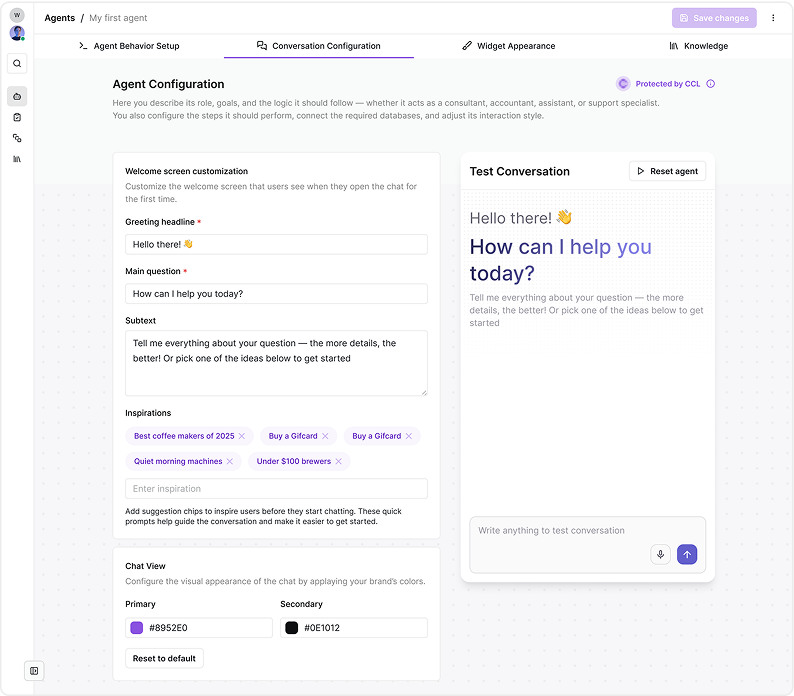
CogniAgent’s AI Builder platform brings together ERP and automation alongside conversational AI. It’s different from the usual ERP automation tools because it incorporates smart chatbots, predictive analytics, and workflow management.
- What Sets It Apart: It’s a low code AI ERP automation solution made for all types of businesses.
- Easy Integration: It fits right in with your current ERP automation systems like Odoo, SAP, Oracle, etc.
- Scalability: Built to support enterprises of any size.
Why Choose CogniAgent for ERP Automation
CogniAgent is not a generic automation tool – it’s an AI-first ERP platform built to operate at enterprise scale. Instead of rigid templates, it allows you to design ERP AI bots that reflect how your finance, operations, and procurement teams actually work.
- Workflow automation built around real processes. From invoice matching and purchase approvals to payroll and inventory, CogniAgent adapts to your existing ERP logic. No-code workflow design ensures faster deployment without disrupting daily operations.
- Always-on AI intelligence across ERP systems. CogniAgent AI bots work 24/7, processing transactions, monitoring compliance, and detecting anomalies in real time. Unlike traditional RPA, the system learns from edge cases and adapts automatically as ERP data and rules change.
- Lower costs with faster, compliant execution. By eliminating manual data entry, approvals, and reconciliations, organizations reduce operational overhead while improving accuracy. Built-in compliance, audit trails, and risk monitoring ensure every action is policy-aligned and audit-ready.
With CogniAgent, ERP automation becomes a strategic advantage, accelerating business cycles, improving decision-making, and enabling teams to scale without adding headcount. As ERP complexity grows in 2025 and beyond, CogniAgent delivers the intelligence, flexibility, and reliability modern enterprises require.
Final Thought
Manual ERP processes slow teams down, increase risk, and limit visibility. ERP automation solves these challenges by streamlining workflows, improving data accuracy, and enabling faster, more informed decisions. With AI-first platforms like CogniAgent, businesses can move beyond basic automation and unlock real operational intelligence across their ERP systems.
![Top AI Receptionists for Cleaning Services [2026]](https://cogniagent.ai/wp-content/uploads/2026/07/Top-AI-Receptionists-for-Cleaning-Services-2026-300x185.webp)
![Best AI Tools for Auto Repair Shops [2026 Guide]](https://cogniagent.ai/wp-content/uploads/2026/07/Best-AI-Tools-for-Auto-Repair-Shops-2026-Guide-300x185.png)