Make Alternative
Handle Complex Logic Automatically
Make.com is a visual automation platform designed to help businesses connect apps and automate workflows using a no-code, scenario-based builder. It enables users to create automated processes by linking different tools, triggers, and actions across systems without writing code.
The platform focuses on workflow automation through visual logic, integrations, and rule-based execution, allowing teams to streamline repetitive tasks, data synchronization, and operational processes across multiple applications.

Make.com is a visual automation platform designed to help businesses connect apps and automate workflows using a no-code, scenario-based builder. It enables users to create automated processes by linking different tools, triggers, and actions across systems without writing code.
The platform focuses on workflow automation through visual logic, integrations, and rule-based execution, allowing teams to streamline repetitive tasks, data synchronization, and operational processes across multiple applications.

Automate With Cognitive AI Instead of Modules
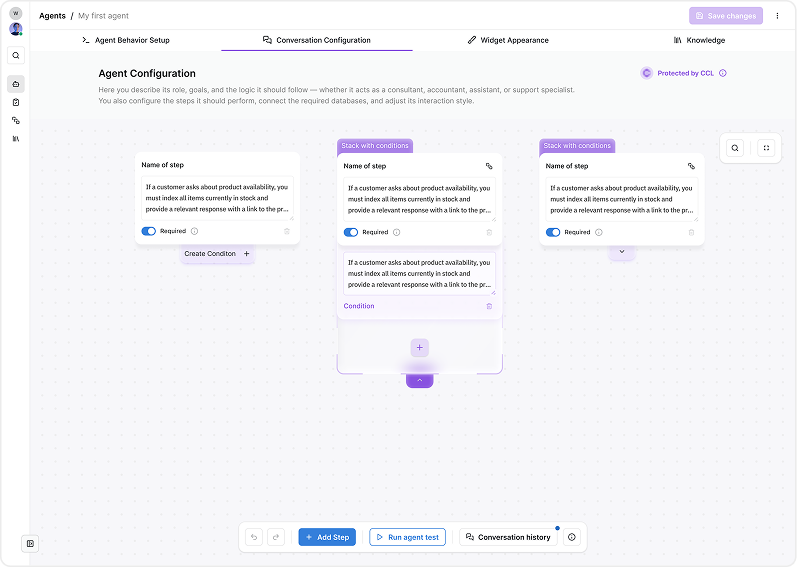
AI-Native Automation
Make offers basic AI and LLM modules, but it wasn’t designed for autonomous agents or dynamic reasoning.
CogniAgent is built from the ground up for:
- End-to-end business workflow automation
- Multi-agent orchestration
- Long-running autonomous tasks
- Context retention across steps
- AI reasoning with structured outputs
No Scenario Limits or Complex Execution Pricing
Make’s pricing is deeply tied to scenario runs, data transfers, and module counts, which get expensive fast.
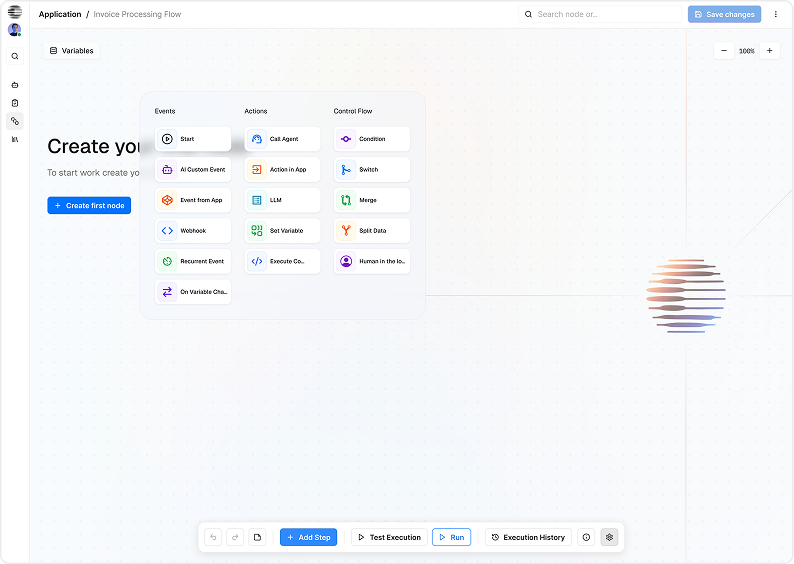
CogniAgent provides:
- Predictable pricing
- No arbitrary scenario execution caps
- No overage surprises
Scale your automation without babysitting your usage meter.
No Hosting or Maintenance Required
Make is fully cloud-based, but users still manage:
- Scenario throttling
- Capacity issues
- Module complexity
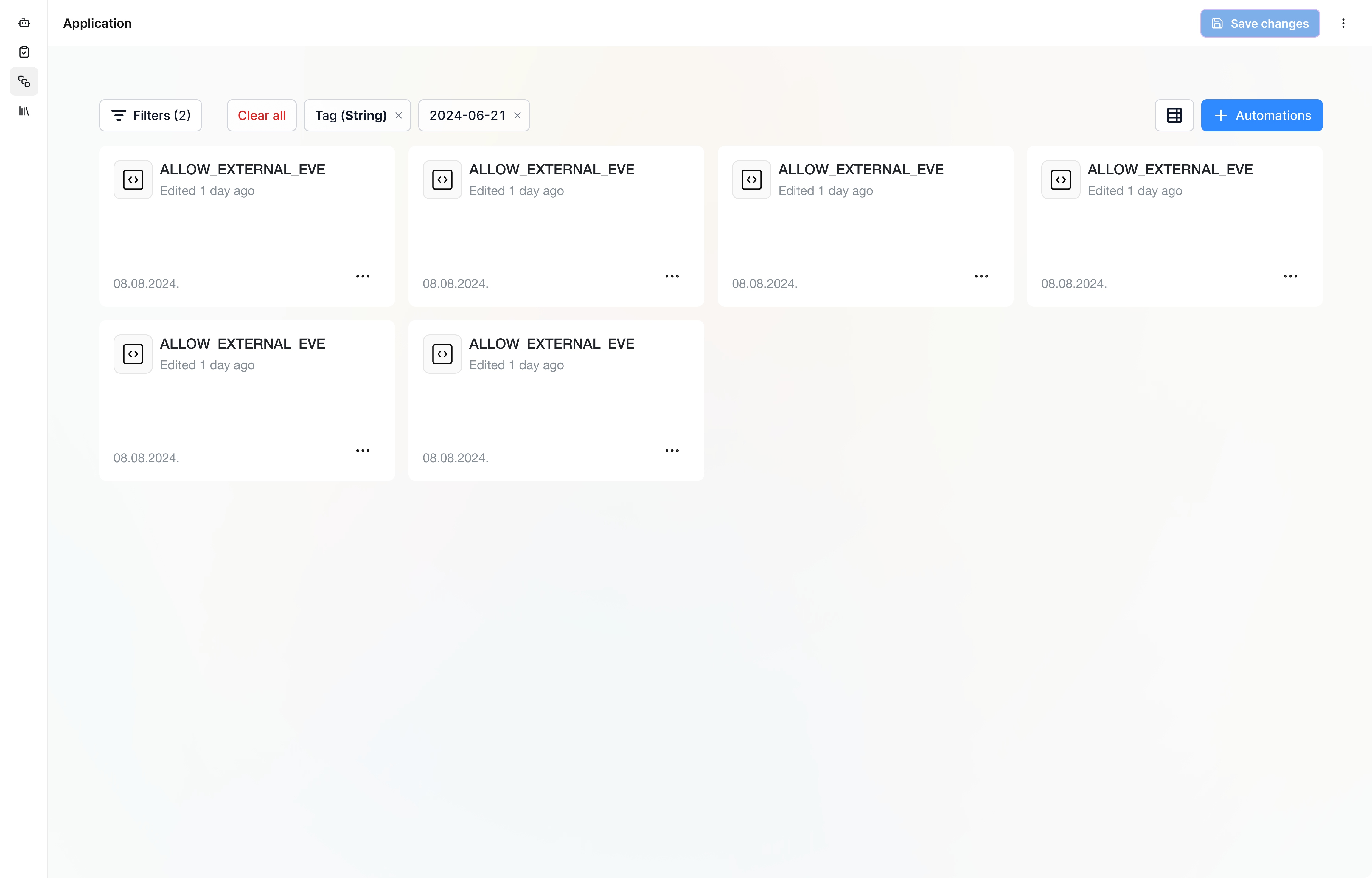
CogniAgent is fully hosted, auto-scaling, and maintenance-free, giving you enterprise-grade reliability from day one.
Simpler, Cleaner Workflow Builder
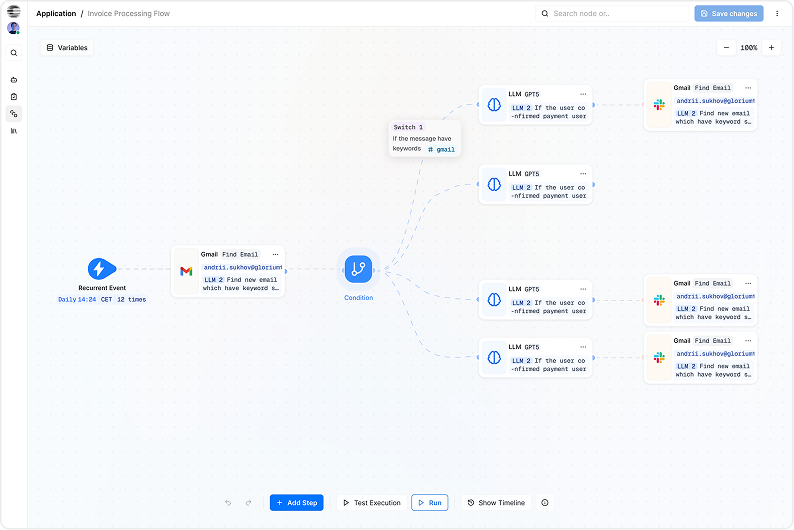
Make’s visual canvas is powerful, but becomes messy as scenarios grow.
CogniAgent offers a modern, minimal workflow builder that is:
- easier to navigate
- AI-assisted to reduce node count
- built for both technical and non-technical users
Build automation 5× faster with fewer modules and smarter AI-optimized logic.
AI-Augmented Integrations
Make supports many integrations, but requires manual mapping and configuration.
CogniAgent enhances integrations with AI:
- Natural-language field mapping
- Smart API parameter suggestions
- Auto-generated workflow steps
- AI-powered error recovery
Let AI manage the complexity, so you don’t have to.
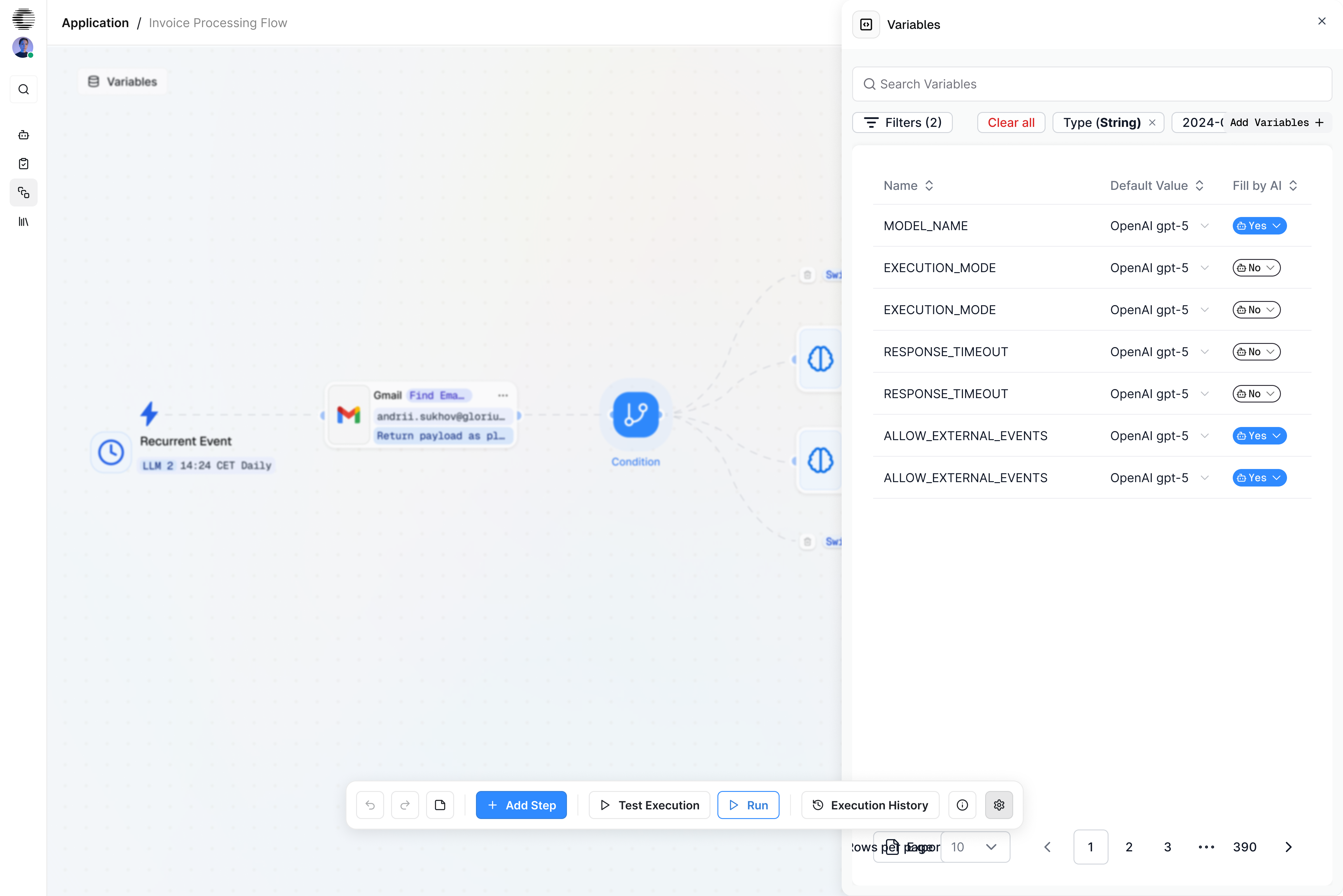
CogniAgent vs Make
Comparison Table

FAQ About Make Alternatives?
Yes. While Make supports LLM modules, CogniAgent is purpose-built for AI-native automation and multi-agent reasoning. It handles complex logic, conversational flows, and adaptive decisions far beyond Make’s module capabilities.
Absolutely. CogniAgent doesn’t use scenario-run limits or per-operation billing. Your workflows scale automatically without hitting usage caps or paying unexpected overages.
Yes. While Make is powerful, its visual canvas becomes overwhelming as workflows grow. CogniAgent provides clean UI, guided building, and AI assistance that helps anyone (from support to ops) create advanced automation.
Yes. CogniAgent supports authenticated connections, private APIs, and secure key storage. With 2,700+ integrations and AI-powered configuration, connecting internal tools is simple and fast.
CogniAgent includes built-in monitoring, automated retries, and AI error-resolution to minimize manual troubleshooting. It’s engineered for high-stability automations without the brittle module chains common in Make scenarios.